Careers beyond the horizon: Work on Australian radar technology

Published
2026-10-08T06:07:30.65+02:00 08 October 2026
Business BAE Systems Australia
Location Australia
Help sustain and upgrade JORN and support the next generation of over-the-horizon radar technology for Canada.
Photograph of JORN radar in the late afternoon in outback Australia, low sun, bright yellow and earthy colours

Monitoring vast and remote regions requires technology that can detect activity beyond the range of conventional radar.

An over-the-horizon radar (OTHR) uses high-frequency radio waves to provide long-range surveillance and early warning, helping governments protect their countries and people.

Australian teams have built specialist knowledge in this technology for more than four decades. That experience continues to support the Jindalee Operational Radar Network (JORN) and is now contributing to Canada’s new Arctic over-the-horizon radar (A-OTHR) capability.

At BAE Systems Australia, we need engineers, technology specialists and project professionals to help deliver this work.

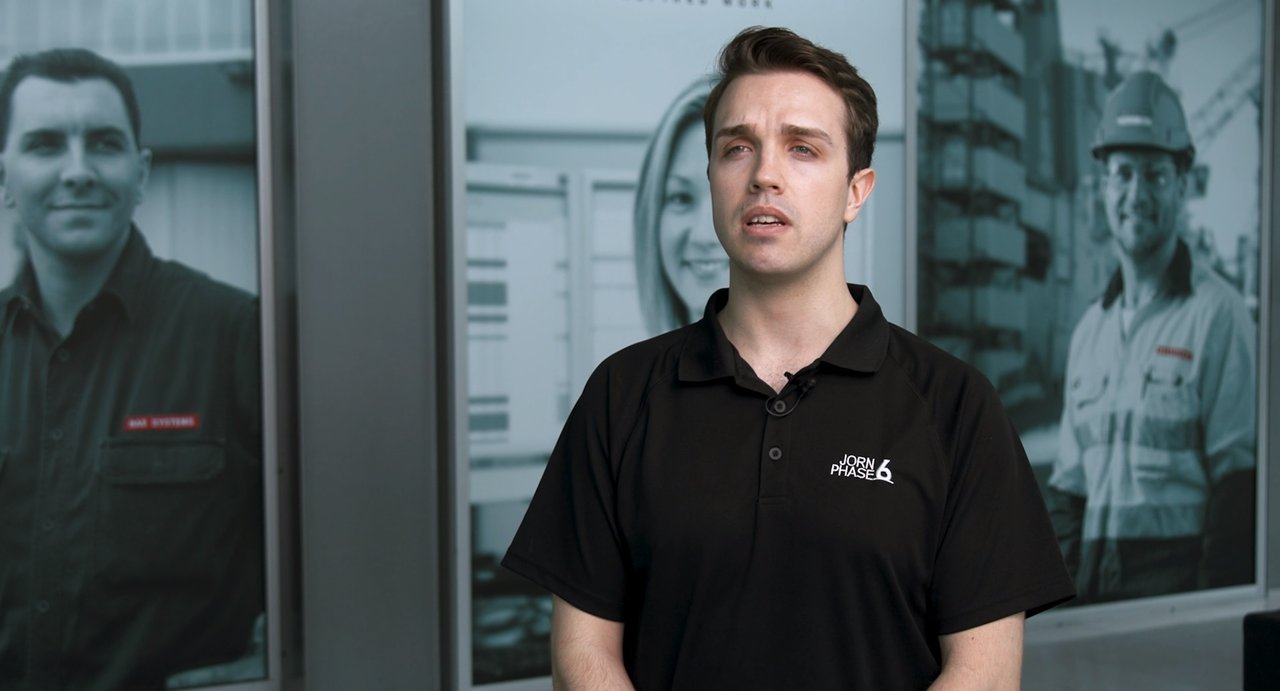
The thing that made me want to join the program is how cutting-edge the technology within JORN is and just the fact that it is 100% Australian owned.
Georgia
Systems Engineer, JORN

Australian expertise supporting JORN and Canada

BAE Systems Australia maintains and upgrades JORN for the Commonwealth of Australia.

Operated by the Royal Australian Air Force (RAAF), the network connects three remote radar sites in Queensland, the Northern Territory and Western Australia. It provides wide-area surveillance at ranges of 1,000 to 3,000 kilometres and supports air and maritime operations, border protection, disaster relief and search and rescue.

We have contributed to JORN’s development and evolution since the 1980s, working with the Australian Government, Defence Science and Technology Group, the RAAF, Australian industry and academia.

Today, we sustain the current capability and are delivering the JORN Phase 6 upgrade across the network’s hardware, software and performance.

In June 2026, the Australian and Canadian governments announced a $2.5 billion agreement to provide Australian high-frequency surveillance technology for Canada’s A-OTHR program. We were named as the industry partner supporting both governments.

Canada’s A-OTHR will strengthen long-range surveillance and early warning across the Arctic, contributing to the defence and safety of North America.

The Canadian system will be adapted for a different environment and mission. Our experience across installation, operation, upgrade and sustainment will support its delivery. Collaboration with Canadian industry will build the local expertise needed to operate and support the capability over the long term.

Man in lit up server room wearing headset and holding cables

Where your skills can make a difference

Delivering and supporting OTHR technology takes people with different skills and perspectives.

Our teams work across systems, software, electrical and radio-frequency engineering, integration and testing, Linux systems, cyber security, project delivery, logistics support and remote-site operations.

Depending on the role, you could help integrate an upgrade, test system performance, secure an operational network, resolve a technical issue or plan the support needed to keep a radar available for decades.

Opportunities are based mainly at Edinburgh Parks in Adelaide and in Melbourne, with some roles involving travel to radar sites.

You do not need previous defence experience. Skills gained in engineering, technology, infrastructure, manufacturing or project delivery may transfer to OTHR work.

Graduate programs, internships and degree apprenticeships also provide pathways for people starting their careers.

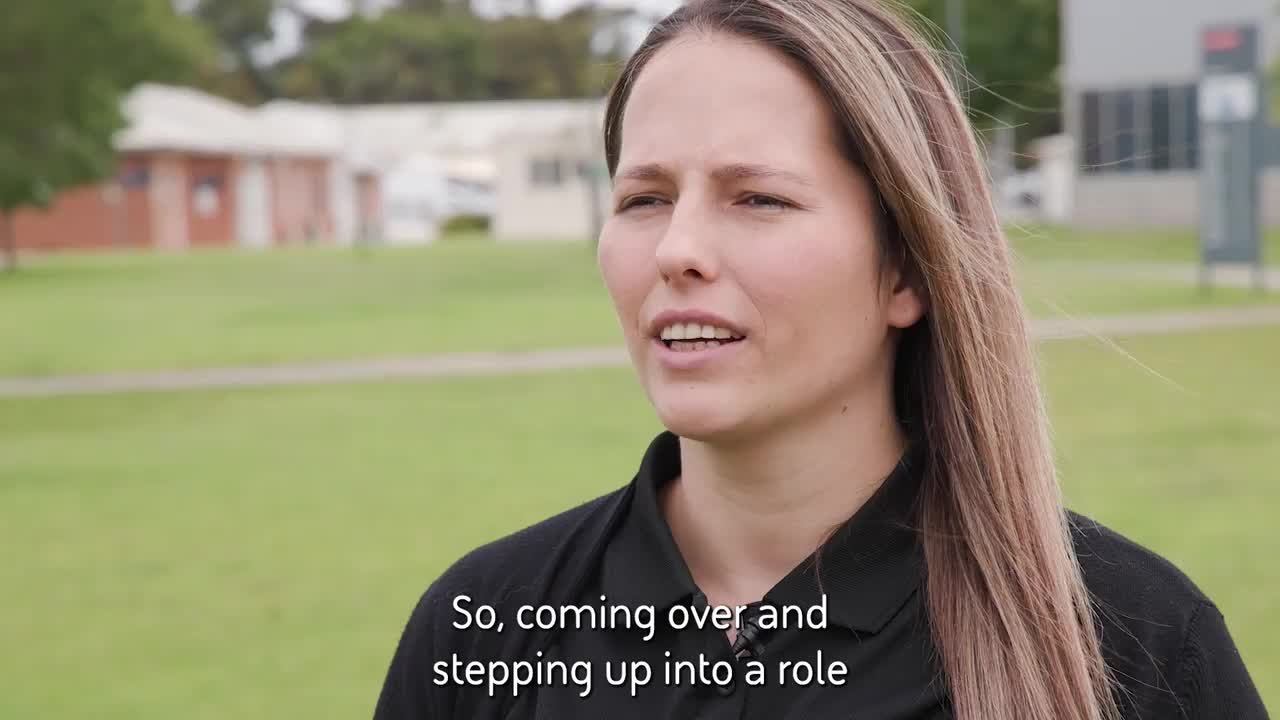
JORN is such a cool project, it has so many opportunities. You can go up, you can go sideways, you can move around. My favourite part of working with BAE Systems on JORN is definitely the people.
Darlene
Supply Support Lead, JORN
Our people
Matthew - Transition & ILS Project Officer, JORN
Georgia - Systems Engineer, JORN
Darlene - Program Support Lead, JORN
Life at a JORN site
Life at a JORN site

Over-the-horizon radar careers

Learn more about the roles, locations and experience needed to contribute to JORN and Canada’s A-OTHR program. Explore some of the important jobs in defence industry that are helping to keep us and our allies safe.

Career FAQs

Defence technology work draws on specialist skills from a broad range of areas. Our over-the-horizon radar teams include a mix of:

  • Systems engineers
  • Software engineers
  • Electrical engineers
  • Radio-frequency engineers
  • Integration and testing engineers
  • Information technology and cyber professionals
  • Project managers and controllers
  • Integrated logistics support engineers
  • Remote-site technicians
  • Business professionals in functions such as supply chain, commercial, finance and human resources.

Search and apply: Adelaide

Search and apply: Melbourne


Over-the-horizon radar jobs are based at Edinburgh Parks in Adelaide and in Melbourne. Many other defence technology roles are available across Australia.

Search and apply: Adelaide

Search and apply: Melbourne


Relevant experience in engineering, technology, infrastructure, manufacturing or project delivery may be transferable to OTHR programs. In fact, we encourage applications from people outside of the defence industry who are keen to contribute to this global defence program.

Applicants must be Australian citizens and either possess or be eligible to obtain and maintain a Defence security clearance. International Traffic in Arms Regulations (ITAR) are applicable, which means your nationality may be a factor in determining your suitability.

Graduate programs, internships and degree apprenticeships are available each year. Many of these roles work directly on over-the-horizon radar projects. These roles are usually based in Adelaide and Melbourne.

We have a FIFO workforce that provides onsite support at the JORN radar sites across remote Australia. Travel to JORN sites in Australia or to Canada varies per role. Travel is most common in roles supporting system integration and site work.

Current A-OTHR opportunities advertised by BAE Systems Australia are based in Australia. Roles in Canada may be advertised separately by project partners and other organisations.

Our electrical engineers design, develop and support electrical systems that help sustain critical defence capabilities including over-the-horizon radar systems.

They manage electrical engineering projects from concept through to implementation, ensuring systems meet safety, quality and performance requirements.

The role involves high-voltage and low-voltage power systems, instrumentation and control, PLCs, power generation, renewable energy systems, UPS design, earthing and electrical safety assessments.

Electrical engineers also conduct fault diagnosis, hazard analysis, system reviews and engineering change activities to improve reliability and operational performance.

Search and apply


Our systems engineers develop and integrate technology that supports important defence systems.

They manage system requirements, technical specifications and engineering documentation, ensuring systems are designed, tested and delivered to meet performance, safety and regulatory requirements. The role spans the full systems engineering lifecycle.

Systems engineers analyse technical solutions, manage interfaces, support suppliers and ensure all system components work together effectively.

They help solve complex engineering challenges, manage technical risk, maintain configuration and change control processes, all of which are important when establishing the new Arctic OTHR system.

Search and apply


An engineering support lead ensures complex defence systems such as over-the-horizon radars remain reliable, available and ready for operation throughout their lifecycle.

They lead engineering support activities across software, hardware, repairs, obsolescence management, technical investigations and spares planning to maintain defence systems, including over-the-horizon radars.

The role coordinates engineers, customers, suppliers and project teams to resolve technical issues, manage risks, oversee repairs and implement engineering changes that improve system performance and long-term supportability.

Experience in engineering leadership, systems engineering or logistics support can be useful in this role.

Search and apply


A Linux engineer designs, deploys and supports secure Linux environments that underpin critical defence systems. They use enterprise technology tools to develop new capabilities and maintain complex operational networks.

The role involves system administration, automation, infrastructure design, engineering change implementation, testing and technical documentation.

Linux engineers help improve system performance, reliability and security while supporting the delivery of advanced communications and radar technologies.

Search and apply


A cyber engineer or security specialist helps protect sensitive information and important infrastructure and technologies.

Security is built into defence systems from design through to accreditation. Our cyber professionals help protect critical defence systems from cyber threats by designing, implementing and assuring secure technologies.

They also develop security requirements and conduct cyber risk assessments to ensure our systems meet defence, regulatory and industry security standards.

Roles in our organisation span cyber security engineering, system design, security testing, vulnerability assessment, systems integration and accreditation.

Search and apply


Over-the-horizon radar FAQs

High-frequency (HF) technology uses radio waves in the HF spectrum to detect, track and communicate with objects over long distances, including beyond the horizon.

An over-the-horizon radar, or OTHR for short, uses high-frequency radio waves refracted by the ionosphere to detect objects beyond conventional radar range.

Normal radars are generally limited to line-of-sight detection. Due to the curvature of the Earth, scientists developed this HF technology to see over the horizon.

JORN is Australia’s over-the-horizon radar network. It supports defence, border protection, disaster relief and search and rescue.

BAE Systems Australia is responsible for the maintenance and upgrade of the Jindalee Operational Radar Network.

The Arctic over-the horizon radar (shortened to A-OTHR) is Canada’s long-range, early-warning and surveillance program. It is based on Australian high-frequency technology that powers JORN, the Jindalee Operational Radar Network.

BAE Systems Australia is the industry partner for this project. It will support both governments in the delivery, integration, upgrade and long-term sustainment of Canada’s Arctic over-the-horizon-radar capability.

Apply now

Help us deliver over-the-horizon radar capability

Explore current opportunities in Adelaide and Melbourne and find out how your experience could contribute to JORN and Canada’s A-OTHR capability.