
Typhoon will continue in service across Europe and the Middle East into the 2060s flying alongside and acting as a technology bridge for future combat aircraft such as Tempest.
Our Typhoon future capability teams are working on technologies to ensure the aircraft can be fully interoperable to fight as part of a future fleet including alongside both crewed and uncrewed aircraft. This would enable Typhoon pilots to command uncrewed aircraft from their own cockpit. Through nationally funded programmes and in partnership with Eurofighter partners, major investment is being made into these core capabilities as part of the acceleration of the growth curve.
We’re also demonstrating new concepts to give Typhoon an even greater fighting edge, such as a new Large Area Display cockpit to simplify vast volumes of data and new processors which can process data 200 times faster than today’s technology. Collectively, this promises to give Typhoon the ground-breaking capabilities it needs to bridge to the next generation and combat the threats of the future.
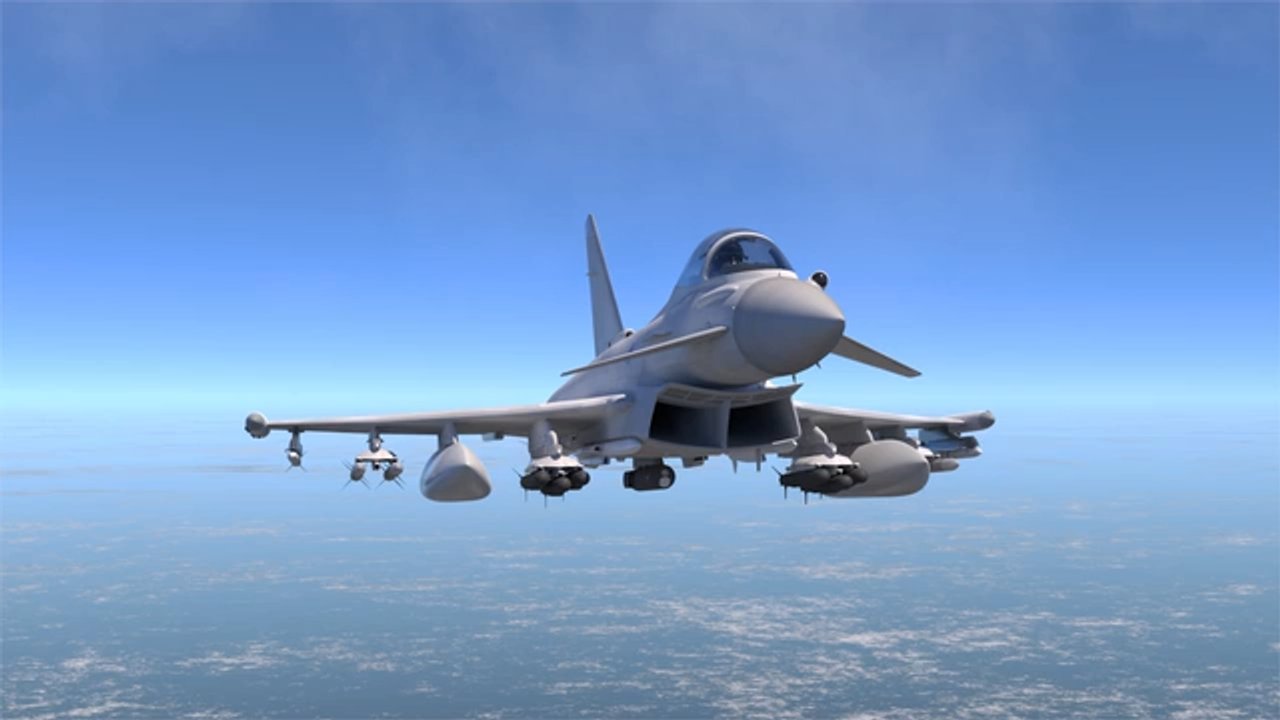
Advanced radar systems
Typhoon operators in Kuwait and Qatar are today operating with an advanced new electronically-scanned radar giving pilots unparalleled situational awareness and freedom of action over current and future threats. Further enhancements will see Typhoon’s radar equipped with electronic attack capabilities enabling it to locate, identify and suppress enemy air defences increasing its lethality and survivability.
Advanced helmet technology
Striker II, the world’s most advanced pilot helmet-mounted display, is being developed to equip Typhoon pilots of the Royal Air Force (RAF) with all-digital night vision system and daylight readable colour display. It offers unrivalled situational awareness from the cockpit while helping to avoid sensory overload, which is vital in a high-tech and fast-paced environment.
Enhanced mission systems
Engineers from across Typhoon’s European partner companies are leading the latest stage in its capability growth curve. These upgrades will improve the jet’s weapons capability, increasing the variety of precision guided munitions, and further enhance Typhoon’s defensive systems and datalinks, improving high-speed secure sharing of data.
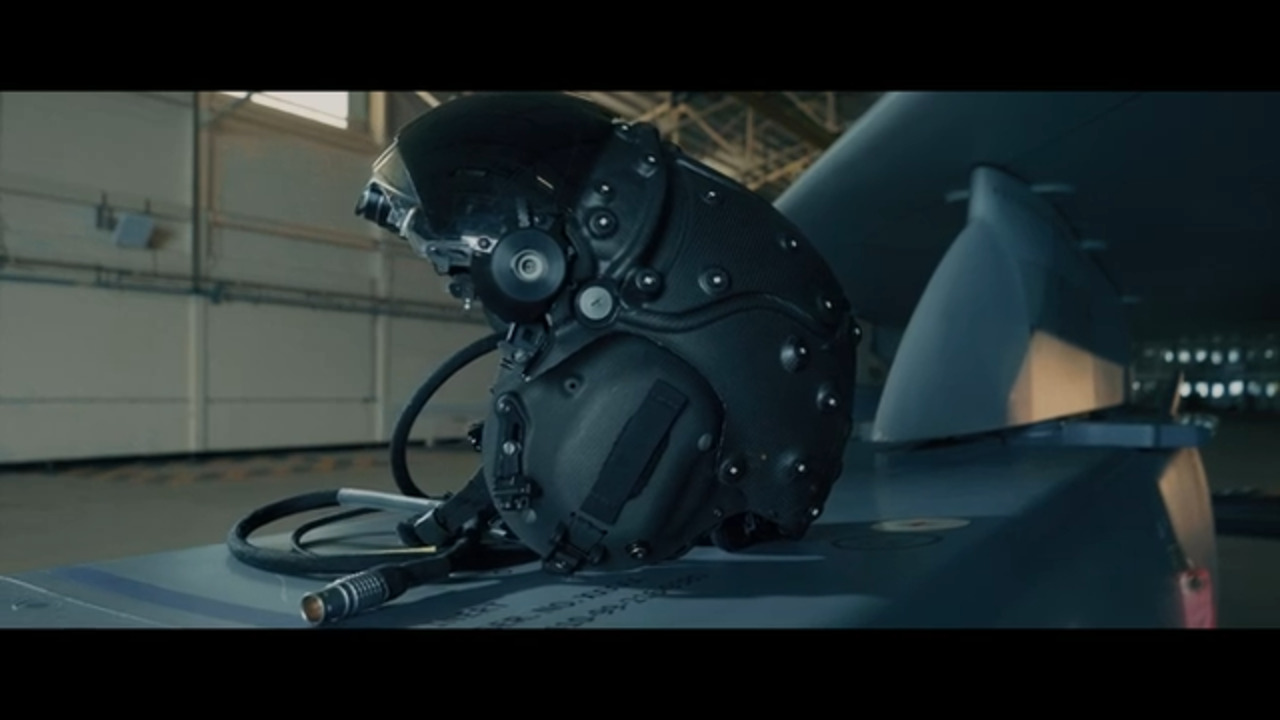
By projecting symbology into the visor, we are augmenting the real world with relevant information to allow pilots to make faster decisions.
Andrew 'Blyty' Mallery-Blythe, Typhoon Test Pilot, BAE Systems
Senior Communications Advisor
BAE Systems