We recently brought together senior business leaders, civil servants, academia and DE&I advocates for the first Tech Talent Charter roadshow of the year at Bletchley Park. The focus of the day was to present fresh insights from the latest ‘Diversity in Tech’ report and drive discussions, but to ultimately gather and share actionable insights across panels and workshops with attendees at the heart of the conversation.
Debbie Forster, Co-CEO of Tech Talent Charter opened the event with a powerful statement: “Five years to the day, a few of us sat in the office talking about setting up Tech Talent Charter. We were tired of going to events to talk about the same flaws, the same topic with little action”.
Insights from Tech Talent Charter’s ‘Diversity in Tech’ report
Exploring the stats from this year’s ‘Diversity in Tech’ report – one of the richest data sets looking at what’s happening through a diversity lens in tech – Debbie shared some sobering insights:
Gender:
- 29% of UK tech employees are women or non-binary
- 20% of software engineers are women or non-binary
- 21% of senior tech role holders are women
- 0.17% of tech employees identified as trans compared to 0.5% of the UK’s population, but only one in four companies are measuring trans identity in their workforce
Ethnic minorities:
- 25% of UK tech employees are from ethnic minorities, of which only 5% are black
- 22% of software engineers are ethnic minorities
- 14% of senior tech role holders are from ethnic minorities
Other:
- 3% of tech workers are neuro-divergent according to their employers, however when asked directly 53% of employees identify as neuro-diverse
- 9% of tech employees are reported to be from lower socioeconomic backgrounds, compared to 39% of the UK population
- 6% of tech employees are disabled compared to 23% of the wider working age population
While some ground has been made in those five short years, Debbie highlighted “we need to take a moment and accept what we’ve achieved, but it’s a marathon not a sprint and there’s still so much to be done”. Looking at this year’s data, Debbie admitted that she has “never stood up with a report and thought there’s so much risk. Organisations are cutting programmes – we need to dig in and take action”.
There’s some improvement on last year’s data, however Tech Talent Charter points out they are only single digit. The reality is there has to be investment and we have to create safe spaces for everyone to feel comfortable to talk about their background. The industry must question if it’s building products that cater to people with disabilities and if it’s helping make tech a more attractive, inclusive place to work. “Are we confident we aren’t just window dressing and making our cultures comfortable for the neuro-typical and not actually trying to meet the needs of the neuro-divergent?”
Meanwhile we’re at risk of losing more women than we’re getting into the industry. It’s not just about attracting a greater breadth of diverse talent, but also helping them stay and grow into leadership roles.
Armed with these insights, the aim of the day was twofold: to bring attendees together to discuss the challenges and progress, and crucially, to allow them to share opportunities, learnings and explore next steps on how we can improve inclusion in tech.
Congregating the DE&I choir
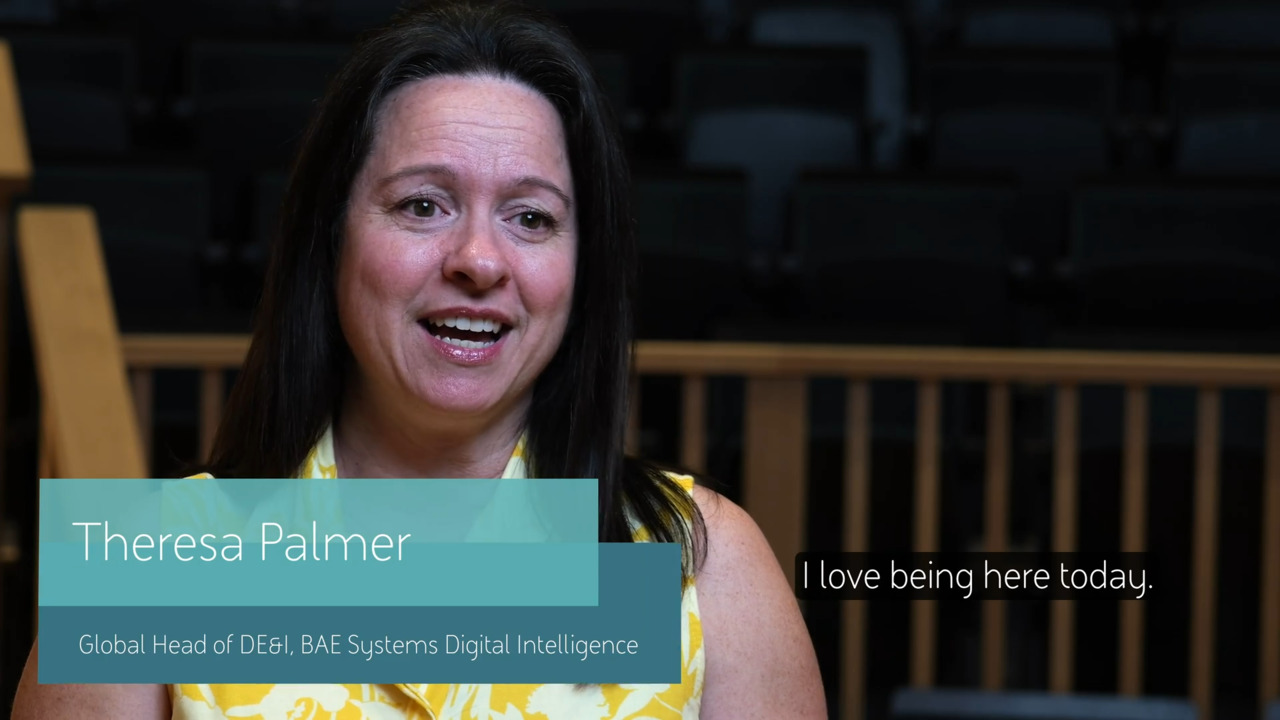
A panel of DE&I leaders and advocates, including myself; Binda Patel, Head of Innovation at Sutton Trust; Stuart Lynch, Head of Digital Capability at Justice Digital; and Karen Blake, Co-CEO at Tech Talent Charter, discussed:
- Women in tech: what can employers do to shift their efforts?
- Social mobility in tech: how do we tackle elitism?
- Neurodiversity in tech
- The influence of innovative tech and making sure people aren’t left behind
- Engaging male allies
- Retention and progression
- Maintaining integrity on social media
Under the hood of all these topics hangs a fundamental question: how do we take an inclusive approach not only as individual organisations, but as an ecosystem?
DE&I is a business problem like any, and it must be treated as such. Time and again, studies have shown that teams and businesses with diverse skill sets – and therefore different ideas and approaches – perform better. McKinsey’s research into the business case for diversity on executive teams and financial performance found:
- Companies in the top quartile for racial and ethnic diversity in executive teams are 39% more likely to see financial returns above their national industry medians
- Companies in the top quartile for gender diversity in executive teams are also 39% more likely to see financial returns above their national industry medians – up from 15% in 2015
In order to see that return on investment, we must ask the hard questions. How do we create an inclusive environment that lasts? If you think recruitment is enough, you’re far behind. Equally if you’re not making an effort to recruit a diverse workforce, then you’re even farther behind.
As we can see through the latest ‘Diversity in Tech’ report, data is paramount. Before any DE&I strategy is developed, leaders must understand the make-up of their organisation to see where gaps lie and where they are losing people to identify where investment is truly needed. Armed with insights, organisations can upskill their teams to support different ways of working, factoring in people’s individual working needs and career aspirations.
In the words of Debbie, “Choir - we’ve got to sing faster, harder and louder with more determination. It’s time to take action, reach out to like-minded people and get to work.”
Watch this space for more insights from the panel and workshops over the coming months as we delve into the topics that are driving DE&I conversations right now.
Read the latest statistics and insights on diversity and inclusion in UK tech
Tech Talent Charter collects diversity data and strategy insights from over 700 UK tech employers annually, producing one of the largest D&I analyses of its kind. Read the key findings and learn how you can participate.