
Discover what goes in to launching a space programme designed to add capacity and resilience to national space capability.
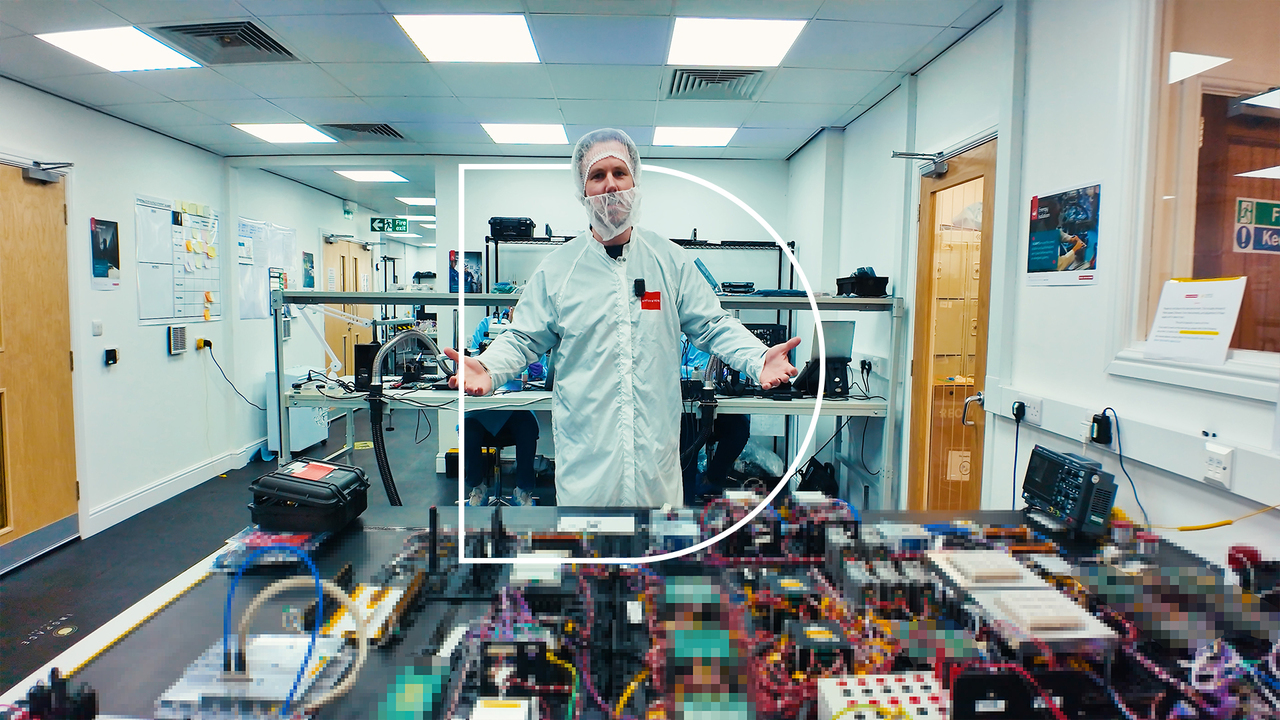
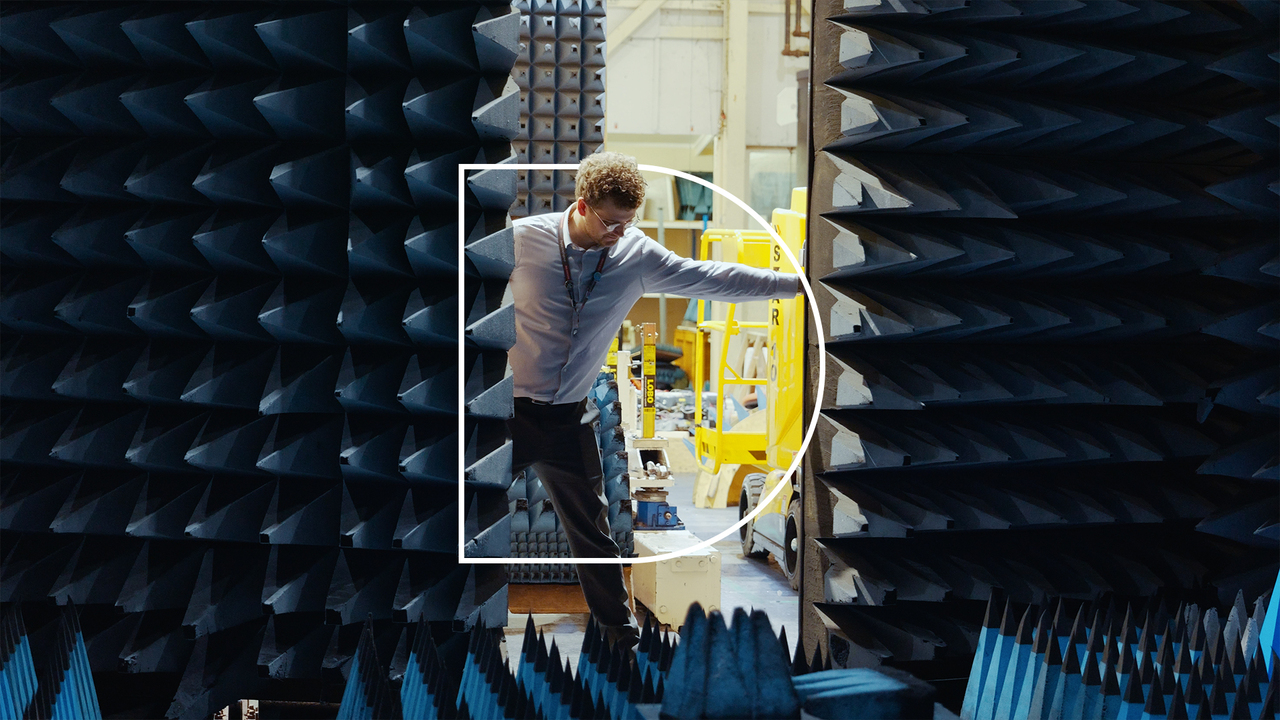
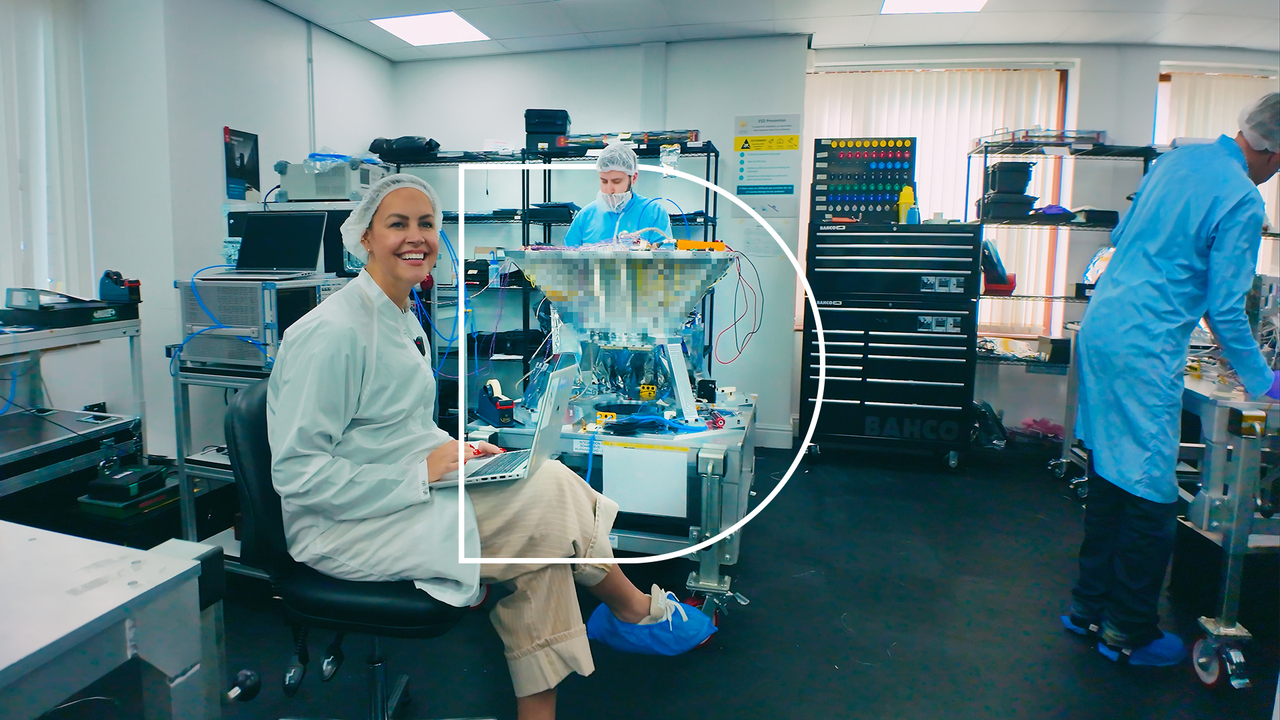
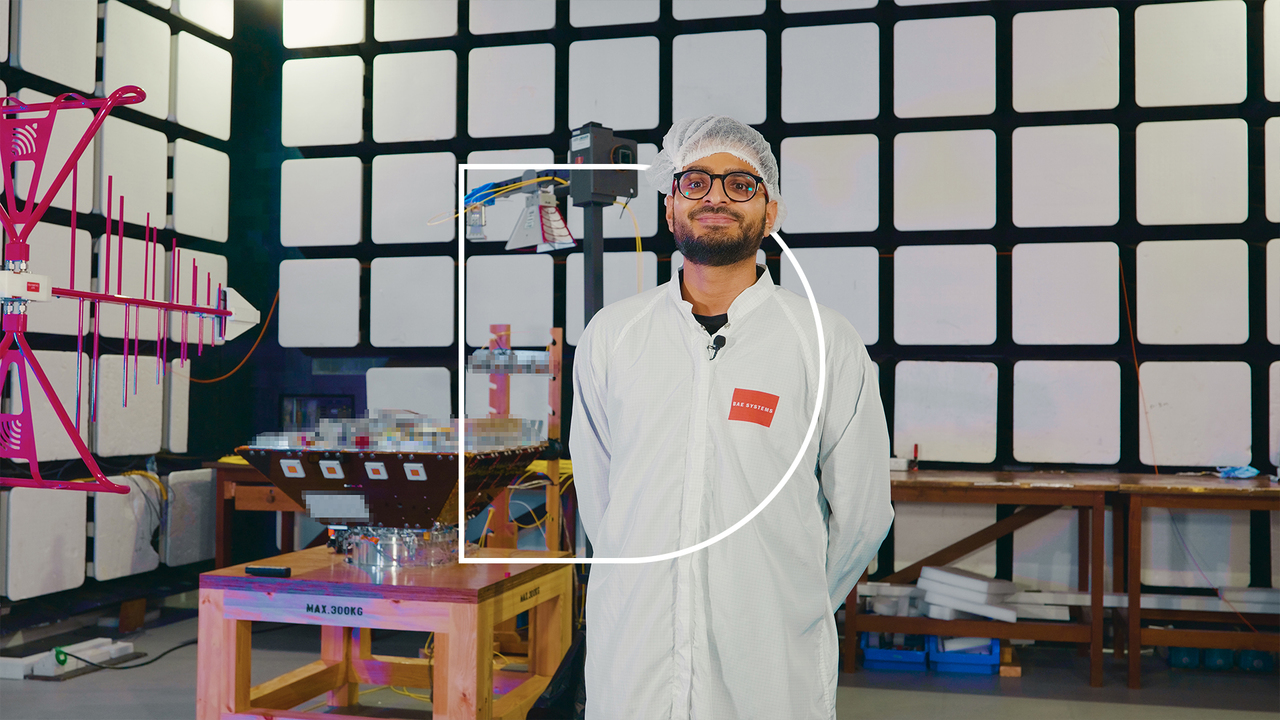
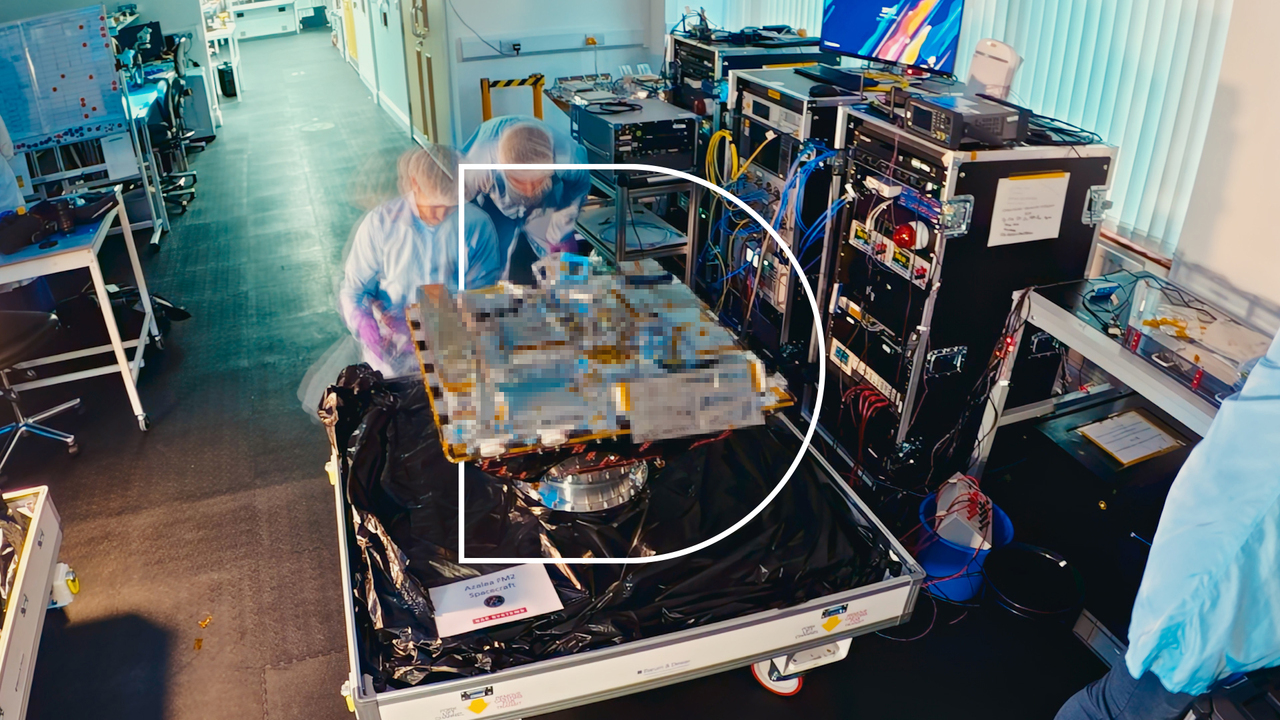
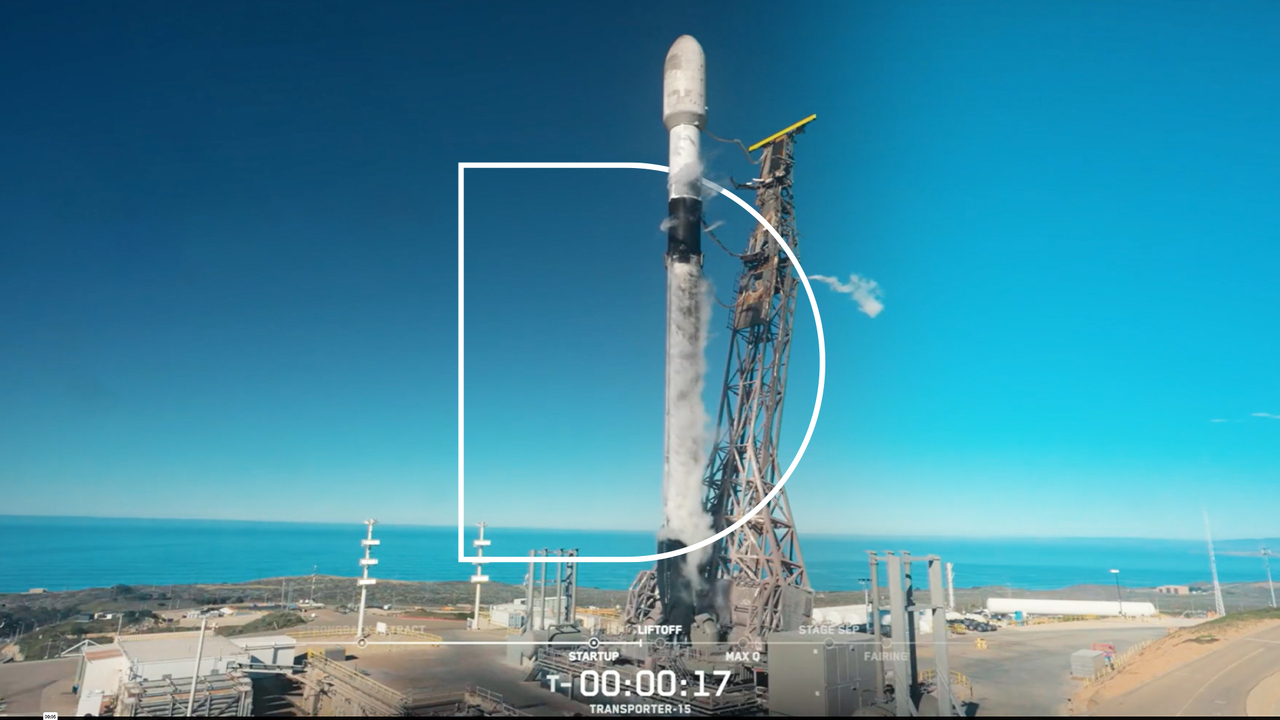
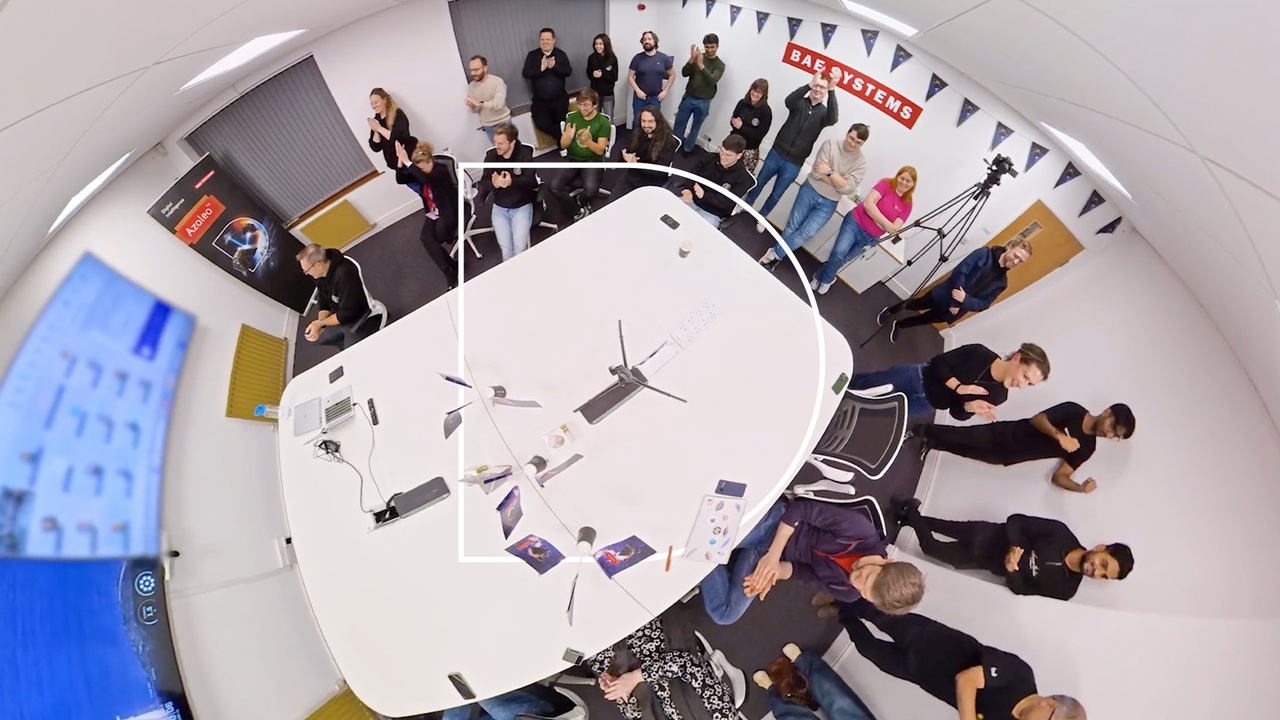
Over the last few months, we’ve followed the team that has been busy taking our Azalea space mission from concept to reality. From stepping inside the clean room, to learning about payload testing and the concept behind the Azalea mission, we present a guided tour of everything that goes in to launching a new space programme.
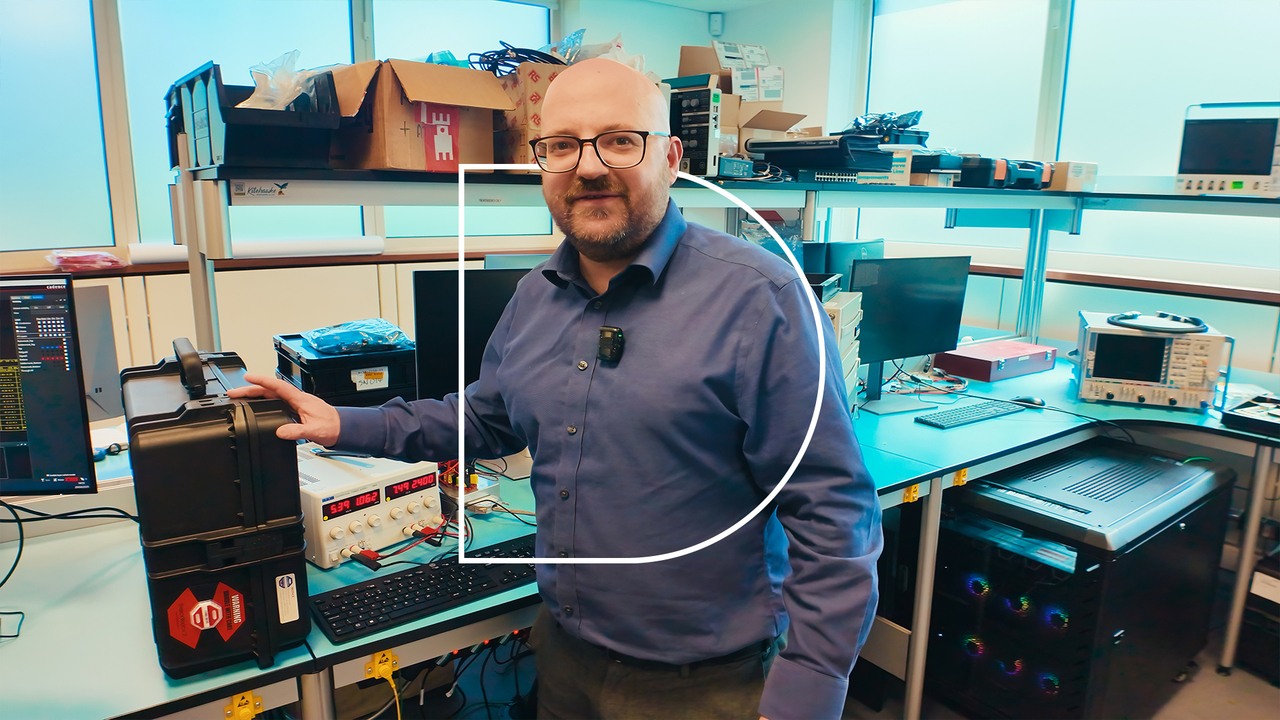
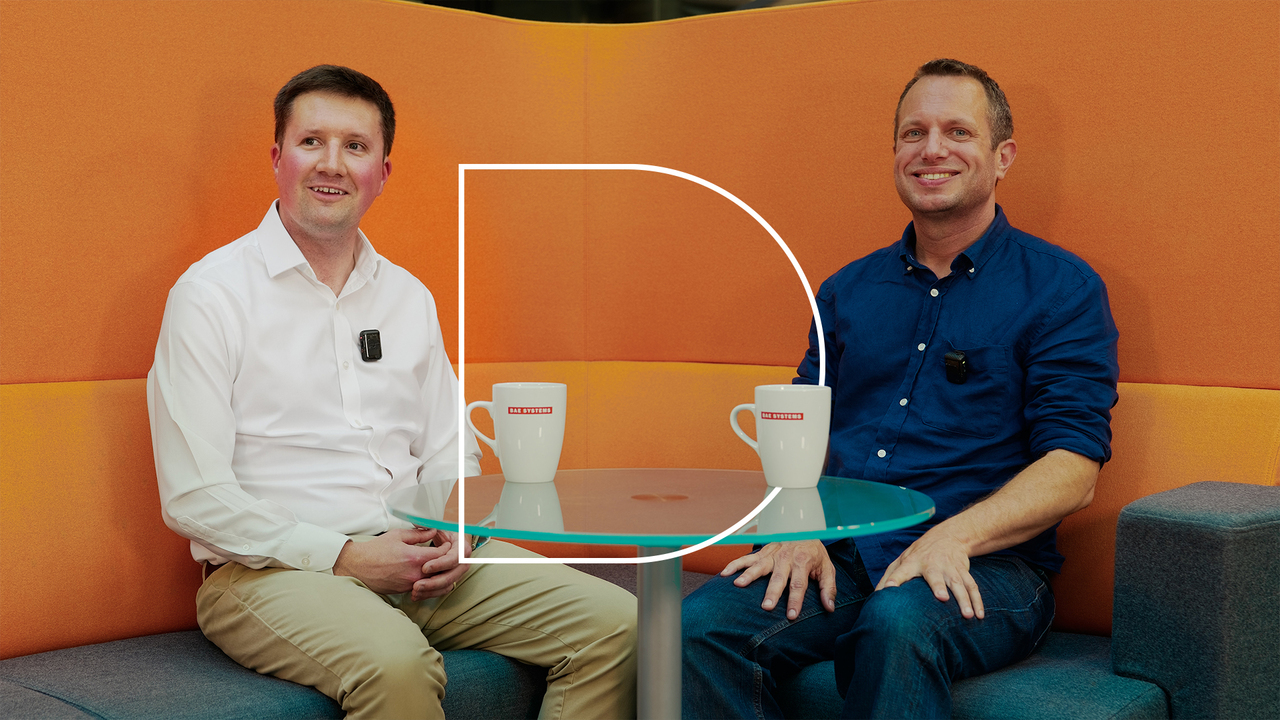
Watch exclusive interviews with our team as they design, build and test the satellites that will form our unique Azalea capability.
Learn more about the Azalea™ mission and its capabilities
Subscribe to Space Insights to receive get the latest news and updates straight to your inbox
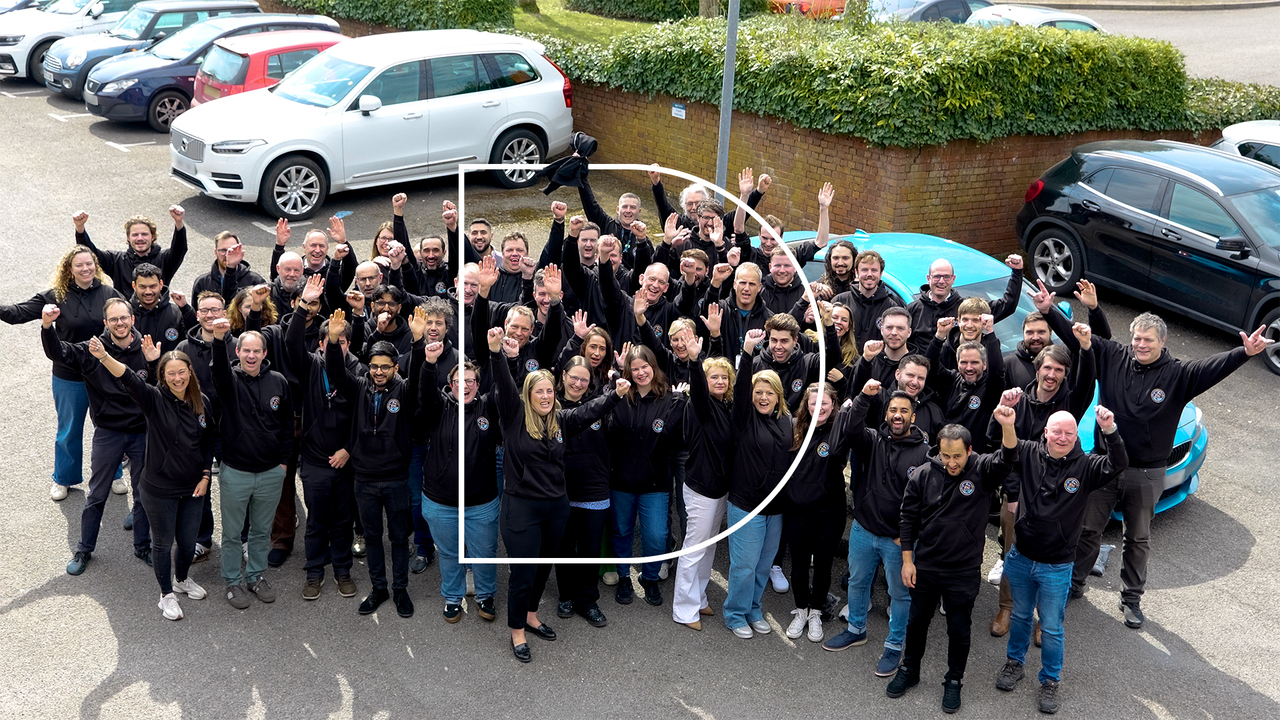
Get to know some of the brilliant and inspiring people working across our Space business unit
As an incredibly complex sector, space has long attracted some of the brightest minds across physics, mathematics, thermodynamics, engineering and many other technical fields.
The range of disciplines involved is staggering. Aero/mechanical design, systems engineering, spacecraft operations, electronics design, integration & testing, project management – the list goes on. And new requirements are constantly appearing as technology evolves, with skills around AI, machine learning and data modelling now highly sought after.
But it’s not all about ‘hard’ technical skills. ‘Soft’ skills such as creativity, problem solving and collaboration are vital for a successful career in the space sector – and for building a highly-functioning team. People who are prepared to think outside the box and embrace challenges will flourish in an industry that is constantly pushing the boundaries.
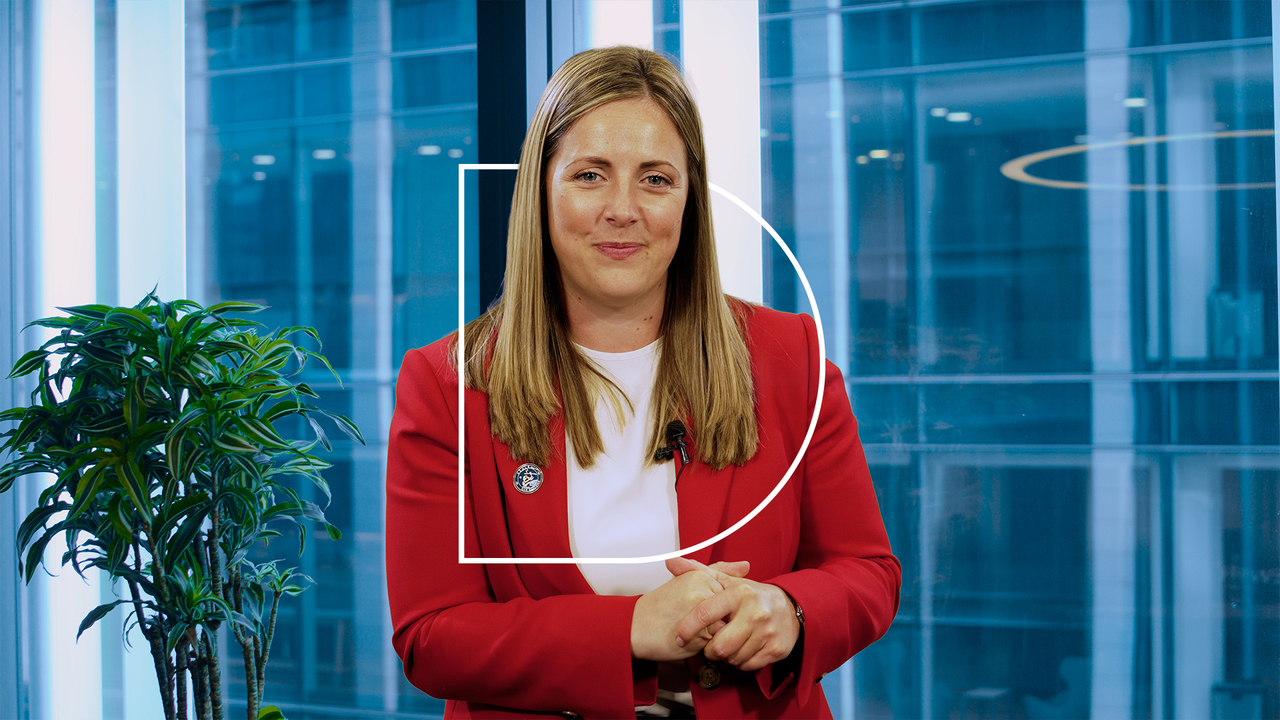
In the words of our Space Director Rachael Hoyle: “I’ve seen these traits in abundance across our Space business unit. I’m so proud to be leading such an incredible team that not only has a deep knowledge of the space domain, but also a passion for what space represents and enables.”
 What’s your role in the Space team and on the Azalea programme specifically?
I am a Space Systems Engineer, which means I work across the lifecycle of a space mission. This can include anything from coming up with a space mission concept, to writing requirements or designing and testing spacecraft.
On Azalea specifically, I am the Software Integration, Verification and Test Lead. This means I am responsible for ensuring that all the software required for the mission works together, meets the original requirements and has been demonstrated to work in a representative environment. This includes testing that the software on the ground can communicate with the spacecraft to monitor its health, and then ensuring the software on board the spacecraft is functioning correctly.
- What was your journey into the space sector?
I started my career as a graduate engineer at a company manufacturing imaging sensors and cameras for space. Whilst there I worked on some European Space Agency missions, including the FLEX mission, which stands for ‘Fluorescence Explorer’ and aimed to map the fluorescence of vegetation on Earth to understand plant health and stress.
I then went on to build my first satellite, which was the size of a shoebox and had a quantum experiment on board. It was a demonstration mission for a precursor technology required to carry out gravity sensing from space, which is crucial to monitoring the climate and understanding how water is moving across the Earth. I was the lead author on a paper published about this satellite, which I presented at a European Space Agency Conference in Italy and ultimately led to me receiving a job offer from an Australian quantum sensing company. My work here was focused on guiding the development of quantum systems for space and involved setting up the systems engineering process for the business through an Egg Landing Vehicle design workshop (lots of balloons and not too many cracked eggs involved).
Following this role, I became the mission manager for an Australian/Indian company leading the delivery of an in-orbit transport mission. At the time, it was the largest satellite (300kg) that had been launched in Australia, with seven payloads including a cold-welding experiment, a brain-like computer and some novel solar panels. I then decided I wanted to move back to the UK and joined BAE systems in 2023.
- What first inspired you to work in space?
I love a challenge and space seemed like one of the most challenging domains around. After all, building technology that has to work in the harsh environment of space and survive launch conditions isn’t easy.
- What does a typical day look like?
I start the day with a stand-up with my test team. We have a plan of what we need to test and we're usually ploughing through writing test cases, reviewing them with stakeholders, then executing tests and feeding back any bugs/issues into the software team to be resolved. An example of a typical test is on the interface between the service that collects time and date information about the next satellite passing over ground stations and the system that prepares the ground segment to communicate with the satellites. So as soon as the satellite is visible, we can start commanding it and receiving telemetry. We also might shadow the existing spacecraft operations team to understand their needs, as they are ultimately our internal end customer and will be operating Azalea to provide useful services to our customers.
- Do you have any examples of challenges that you and the team have had to solve?
I see the job of the mission systems test team to break things. So ultimately, we need to test early and often and find problems so they can be resolved before the spacecraft are launched.
An example of a challenge we faced is when we were testing the ability to command and control the spacecraft. The schedule file which contains information on what actions need to be carried out on board the spacecraft needed to be uploaded to the on-board computer, but during the test we learned that the ground side of the communications link needed a file store where the schedule file could be stored before it was transmitted to the spacecraft. This was then raised as a bug and fed back to the relevant software team to resolve.
- What about Azalea are you most excited about?
The prospect of having built and launched a cluster of satellites that will help to make the world a better place, such as by keeping military personnel safe and helping to detect illegal fishing. Azalea is effectively an ear in space listening for signals on Earth. Take the illegal fishing use case. All ships at sea must emit an automatic identification system (AIS) compliant signal. If ships at sea stop emitting an AIS signal, this would indicate that an investigation is required and there may be illegal fishing occurring.
- Is there a piece of space technology that particularly excites you?
Future technologies such as in-space manufacturing, which would allow humans to settle in space and build more complex structures/space stations, definitely excite me. Also, the use of AI in space to enable system decision making – an area which is undoubtedly going to become more prominent over the coming years.
 What’s your role in the Space team and on the Azalea programme specifically?
Azalea Engineering Manager is a wide-ranging role covering people, processes and tools – i.e. the "how" and "why" we do our work more than the "what". This includes formal project reviews, managing our information, finding ways to optimise the documentation demands and solving blockers wherever possible – all to enable our teams to do their best work.
- What’s your background? What was your journey into the space sector?
I’m a Systems Engineer and Engineering Manager with over 20 years’ experience working at BAE Systems across multiple sites and projects. I’ve worked on a mixture of air and information system projects, including many exciting months of UAV flight trials in the Australian outback.
A career in space had always seemed out of reach, but I was very fortunate in 2018 to be asked to join a space project in another part of the business – a chance I leapt at! I worked on three different early phase space projects before Azalea.
BAE Systems is a great company to work for as I've been able to move between business units and sites to work on a wide range of interesting projects all over the UK and internationally.
- What first inspired you to work in space?
I've always been fascinated by space and am still in awe of the astonishing achievements of the Soviets and Americans in the first couple of decades of space exploration. The Apollo programme culminating in Neil Armstrong and Buzz Aldrin walking on the moon is a high point of engineering achievement, demonstrating what’s possible when there’s a clear goal worked on by talented and motivated people. Standing under the Saturn V rocket in the Kennedy Space Centre at the start of my university studies was a life changing experience. The book "Failure is not an Option" by Gene Kranz (played by Ed Harris in Apollo 13) is a highly recommended read!
- What does a typical day look like?
The Engineering Manager role on Azalea evolved as we moved from concept definition to design to implementation and test. Most of my activities have been focused on ensuring that we are fully ready to complete the engineering release of the spacecraft prior to launch, as well as staying on top of change management, intellectual property, product safety and security, and working closely with the fantastic Product Assurance team. There are many other activities which I work on to enable the delivery teams to focus on their critical paths.
- Do you have any examples of challenges that you and the team have had to solve?
The Azalea project has been a fascinating journey with challenges along the way. We're not just working to deliver a game changing multi-sensor, multi-use cluster of satellites; we're doing this across a backdrop of organisational change with the formation of Digital Intelligence and then the Space BU.
As EM, I’ve led the selection, definition and use of engineering processes for use on the project, tailoring where necessary. We have also had to make some difficult but necessary decisions to manage the scope of the solution and meet our timelines.
- What about Azalea are you most excited about?
Delivering on the ambitious project goals. The ambition is evidence of the company values: trusted, innovative and, most of all, bold. The intent was a deliberately challenging project to rapidly build up BAE Systems' Low Earth Orbit space capability in the UK, and as a result we have so many brilliant people working on Azalea and across the Space BU. The core multi-sensor mission of Azalea will provide real advantages to our UK and international customers, both as an operational capability and as a reprogrammable in-orbit platform on which to experiment and innovate further.
- Why do you think BAE Systems’ space mission is important?
Space is the ultimate high ground and is a critical part of the capability portfolio for civil and defence purposes. It enables beyond line of sight communication, intelligence collection for faster and better decision making, and it has a truly global reach. With BAE Systems' significant investment in the space domain over the past five years, the company has a very compelling offering to customers as we operate across the defence domains.
- Is there a piece of space technology that particularly excites you?
The Azalea Enhanced Software Defined Radio (SDR) is the payload at the heart of the Azalea multi-sensor cluster. It has been designed and built by our teams and is something we're all hugely proud of. BAE Systems has a long history of delivering high performance specialist SDRs; this is one of the reasons why we recognised the opportunity to build on this heritage and apply it to the space domain.
More broadly, I’m also interested in how we can use space in a more sustainable way: doing more with less, using new materials and finding ways to extend the useful life of spacecraft.
- How does the prospect of an Azalea launch make you feel?
Thrilled! Having been part of the team that initiated the original concept for Azalea and helped bring it to life, I've been working towards this milestone for many years. I am so excited to see BAE Systems deliver our most significant space project in Europe for decades.
 What’s your role in the Space team and on the Azalea programme specifically?
Within the Space business I’m the Product Integrity Team Lead, however on Azalea I predominantly act as a Product Assurance Engineer. This is all about making sure we have designed, built and tested the system sufficiently to have confidence that it will perform as expected.
Product assurance is a sub-discipline of product integrity and is a common term across the space domain – where having confidence in the systems around you is absolutely vital. During my time at BAE Systems, I’ve learned that it’s very much a team sport. I’m supported by a team of Product Assurance Engineers who work closely with all the different space functions; teamwork and close collaboration are critical to ensuring success.
- What’s your background? What was your journey into the space sector?
I’ve always worked in space. This started during a work experience placement carrying out fit checks on the engineering models of electric propulsion thrusters – quite something for a 15-year-old to be doing! It was during this work experience that I raised my first anomaly report, which I suppose set the trajectory for a future role in assurance and provided the inspiration for a career in space. I’m extremely thankful that the company was willing to give me experience of hands-on work with the hardware at such a young age.
A few years later I completed a master’s in physics with astrophysics before landing a graduate placement in the area of electric propulsion. I then moved to Surrey Satellite Technology Limited to expand my knowledge base and work on different technologies, before finding my way back to electric (and chemical) propulsion working on projects with the European Space Agency, NASA and commercial customers.
- What first inspired you to work in space?
I always knew that I wanted to do something involved with space. This interest initially stemmed from my dad. He was always watching something space-related on the TV or had the telescope out in the garden, which built the foundations in me from a young age.
Believe it or not, my childhood dream was to be the first hairdresser on Mars. I put this down to my dad’s obsession with space and my obsession with the hairdressing doll I’d received that Christmas; my younger brain must have simply put the two together. Since those early years, I kept coming back to the idea of a career in the space sector and now here I am.
- What does a typical day look like?
My days vary significantly. We have regular ‘heartbeat’ meetings to keep things moving – working with lots of different functions across the space business – but a large part of the role is reacting when things go wrong. This typically involves non-conformances. At this point, we must identify where we have problems and work with the various teams to manage them through to resolution.
I can often be found in the clean room carrying out inspections on the hardware to make sure the configuration aligns with what’s expected at the stage of build and that we’ve implemented corrections to any non-conformance. Other activities include holding meetings with stakeholders and conducting internal lifecycle management reviews to ensure everyone’s aligned on what ‘good’ looks like.
- Do you have any examples of challenges that you and the team have had to solve?
Given that this is an internal investment project, one of the biggest challenges has been working across multiple teams to set our own technical requirements. Normally, we’d be working within a defined set of requirements from an external customer or stakeholder, but this hasn’t been the case with Azalea.
What’s more, we’ve had to iteratively work on these requirements alongside designing the satellite and standing up a new space business unit. That has all added a level of complication that you wouldn’t usually expect, as well as being an interesting and valuable process to be part of. Ultimately, there has been a lot of learning what we can do with the design we have and how we can adapt it to meet the needs and timescales of the launch – all while growing organically as a business.
- What aspect of Azalea are you most excited about?
The thing that will most excite me is when we receive the first batch of data from the satellite. This will be the final proof that everything is working. I’m really interested to see how that data can be used for different applications and how it will benefit us as a country and our allies. The thought of seeing all the different components working together in orbit and collecting data is what drives me in terms of helping to build quality products that can do their job and meet our objectives.
- Why do you think BAE Systems’ space mission is important?
To me, seeing visualisations of what we can offer as a company, with satellites represented alongside physical assets like ships and land vehicles, shows just how important space can be to our overall mission. The whole portfolio together, delivering as much intelligence as possible across BAE Systems – it’s important that we’re able to be cutting-edge in that way. It’s all about how space fits into the bigger picture.
- Is there a piece of space technology that particularly excites you?
I find space sustainability particularly interesting. There are various concepts out there looking at how we can make space sustainable in terms of de-orbiting or repairing satellites in orbit and I believe this is something we as a sector need to focus on as space is becoming very congested. We need to be able to dispose of satellites in clean ways.
I’ll also always have a love for propulsion, so I tend to keep an eye out for innovations in that area. I actually had the opportunity to work with a BAE Systems supplier on electric propulsion, and I’m intrigued about the different ways of approaching it, such as solid vs gaseous propellant.
- How does the prospect of an Azalea launch make you feel?
Proud. Seeing a project as ambitious and complex as Azalea go from its early lifecycle to launch and operation, I’ll feel very proud to be part of the team.
 What’s your role in the Space team and on the Azalea programme specifically?
I’m the Chief Systems Architect for the Azalea programme. That means it’s my responsibility to own and define what Azalea is, as well as leading our technical teams to actually deliver it. In a nutshell, I lead the charge from a technical perspective.
I’m proud to be able to say I’m one of the people who originally worked on Azalea when it was an early concept. I led a study looking at how we could take our existing technology and apply it to space. Things have come a long way since then and it’s been quite the journey. “Riding the tiger”, as one of my colleagues described it!
- What’s your background? What was your journey into the space sector?
I’ve been at BAE Systems for nearly 20 years. It feels like I’ve had a number of careers during that period; in fact, one of the reasons I’ve never moved is because I’ve had opportunities to work in several different domains.
My background is in electronics development, specifically field-programmable gate arrays (FPGAs) which are essentially a versatile type of integrated circuit that can be programmed to suit different requirements. FPGAs are one of the founding technologies for Azalea, so the technology was familiar to me when I moved over to the space sector four years ago.
It’s been exciting to see how different technologies translate into space, particularly when you look at our customers’ core missions. This is the part of the job I love: designing things, working with customers to understand their requirements and helping them solve difficult problems.
- What first inspired you to work in space?
The honest answer is that it came out of the blue. I was working on a couple of customer projects which were going well, then was asked to hand those over and look at something else instead. Initially I wasn’t sure about switching domains, but now I’m so glad I did. I never imagined I’d be leading the design of a new space concept and get the opportunity to see it come to fruition.
It’s been a challenge to take what I’ve learned throughout my career and apply it to a complex area like space, but it’s one I’ve really enjoyed.
- What does a typical day look like?
I typically work on-site most days as I find it helpful to physically be around the team. My days usually start with catch-ups with various stakeholders to understand where issues are and how we can solve them.
My role has a broad remit, but there has been a big focus on delivery – overcoming the engineering challenges that accompany every project of this scale and complexity so that we can deliver a successful launch. This involves a lot of problem solving with technical teams, reviewing designs, meeting potential customers, and supporting decision making within the project. There are lots about people involved, so it’s all about enabling them to work together productively.
- Do you have any examples of challenges that you and the team have had to solve?
In the early days, I’d characterise the challenge as creating something out of nothing. We had a wide problem space – how do we re-establish BAE Systems in the UK space industry. If we were to build something, what would it be and what value would it deliver?
We spent a lot of time getting feedback from stakeholders and customers to understand where we should focus. This got us to a point where we were able to take something nebulous and build a framework within it. Then, when we had the concept, the challenge became building a new team, defining ways of working and delivering a new best-in-class space mission all at the same time.
My key learning? It’s all about people. If everyone feels looked after then they will thrive and do their best, ultimately delivering something awesome and new.
- What aspect of Azalea are you most excited about?
I’m most excited about seeing it come to fruition. Being able to help define a new space mission, then see it from concept through to operation is a once in a career opportunity. I’m also excited about getting to showcase some cutting-edge technologies and capabilities – like software-defined radios and space-based data processing – to the world under the BAE Systems banner.
- Why do you think BAE Systems’ space mission is important?
To me, seeing visualisations of what we can offer as a company, with satellites represented alongside physical assets like ships and land vehicles, shows just how important space can be to our overall mission. The whole portfolio together, delivering as much intelligence as possible across BAE Systems – it’s important that we’re able to be cutting-edge in that way and demonstrate how space fits into the bigger picture.
- Is there a piece of space technology that particularly excites you?
In my mind, it’s all about information. Our customers are facing complex challenges, namely keeping people and societies safe, and space provides an incredible opportunity to tackle these challenges more effectively.
We also must remember that we’re still at the start of the space journey. We’re currently focused on taking existing technologies and putting them in a new domain, but the next step will be to look at new and emerging technologies – like neuromorphic computing – and figure out how they could be applied. There are so many future prospects.
- How does the prospect of an Azalea launch make you feel?
I think it’s a mixture of excitement and relief. It has been an incredible and difficult journey, with lots of people working extremely hard for a long time. But the launch of Azalea is just the start. We must continue to be bold and showcase what we can do to the rest of the world.
 What’s your role in the Space team and on the Azalea programme specifically?
I am the Mission System Technical Lead for Azalea. The Azalea Mission System is made of up lots of individual parts – from the spacecraft and payload to the ground segment – each of which is very complex in its own right. It’s my responsibility to make sure that when all these different parts of the system are built and integrated together, they form one complete system which meets the overall mission objectives.
This means keeping an eye on the bigger picture and the ultimate aims of the programme, rather than getting bogged down on individual pieces of technology or subsystems. If we find an issue in one part of the system, we can often adjust another part of the system to ensure that the overall objectives are still met.
- What’s your background? What was your journey into the space sector?
I grew up near the helicopter factory in Yeovil (where my dad and everyone else’s dad worked) and watching the helicopters gave me an early interest in aircraft, which led to me studying Aerospace Engineering at University. My course had a lot of optional modules on space and as I began to study spacecraft design, I gradually got sucked in to that domain.
However, when I first entered the world of work, I ended up spending many years working as a Systems Engineer on ground vehicle defence systems before finally getting the opportunity to move into space projects. First working with the European Space Agency (ESA) on specific technology developments for space and gradually transitioning into larger spacecraft and mission development.
Looking back, I’m glad to have spent time working on broader aspects of the engineering industry; the experience is all very relevant and applicable, and I often find it’s useful to be able to apply a broader perspective to solve engineering challenges in different ways.
- What does a typical day look like?
A typical day starts with a catch-up with our core team and then a combination of meetings, replying to emails, reviewing documents and producing new documents. Often, there will be some kind of workshop; bringing in key people from across the programme to discuss and resolve particular aspects of the design or an issue that has arisen.
I spend a lot of time working across teams and making sure that everything is consistent and tied together. This is hard to do completely remotely, so I tend to split my time between working from home and from various sites. I really value in-person time with the team where I can pick up on what’s happening across the programme and make sure activities are aligned.
- Do you have any examples of challenges that you and the team have had to solve?
It might sound odd, but one of the biggest challenges we have had to overcome is learning how to work together efficiently as a team. When we started out the space team was made up of people from two organisations, at least four different sites, three different IT networks and many new starters all from different backgrounds and working cultures. We have gradually broken down the barriers between the different organisations and sites, established new processes and ways of working, and spent a lot of time together building up trust and establishing personal networks.
- What about Azalea are you most excited about?
Throughout my career, the one thing that has always excited me is delivering solutions that fulfil a real need. I find it fascinating to follow the process of understanding what users need, designing a system to meet that need, then building the system and getting it into the hands of real users. So I am most excited about seeing Azalea come to life in orbit, receiving our first data and delivering valuable real-life insights from that data to users – all across a range of different areas and industries.
- Why do you think BAE Systems’ space mission is important?
This is a complex and ambitious project with a lot of new and novel technology development. The mission will really establish our credentials as a dependable UK space contractor and will provide a solid base to further develop our technology for bigger and better missions. Our background and the fact we’re starting from a clean slate also means we’re able to look at things in a different way to more traditional space companies. We have an opportunity to bring new thinking to the industry which can benefit our customers as well as the wider UK space sector.
- Is there a piece of space technology that particularly excites you?
Earlier in my career I focussed on developing and maturing quantum technology for space applications, and I still find this to be a particularly interesting area. Of course, we already use atomic clocks in space which use quantum principles and effects. But, as quantum technology matures, I’m really excited about the wealth of possibilities it will bring to space in terms of sensing, communications and PNT (position, navigation and timing). I’d love to see further progression in that area.
- How does the prospect of an Azalea launch make you feel?
Proud. We’ve overcome a lot of challenges to get this far and I will feel really proud of the team and what we’ve managed to achieve together in a relatively short time period. Azalea is the core capability that we’ve been able to build; the proof point that will demonstrate our credentials as a national space prime, so it’s onwards and upwards from here.
 What’s your role in the Space team and on the Azalea programme specifically?
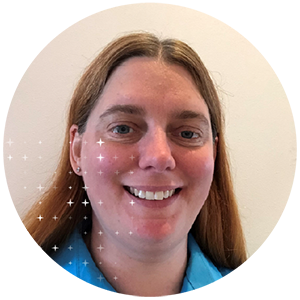
I joined In-Space Missions (now part of Digital Intelligence in our Space Business Unit) in 2023 as a Principal Systems Engineer. I am the Space Segment Technical Lead on Azalea, which means I am leading a team of around 40 engineers who are responsible for delivering the Azalea Cluster-1 and TITANIA spacecraft. That’s four spacecraft in total.
- What’s your background? What was your journey into the space sector?
I studied Space Systems Engineering in Berlin (Germany) and Delft (The Netherlands) and have spent the last 16 years working as a Space Systems Engineer in various countries. I’ve worked on multiple mission and across all project phases: bid/proposal, design/development, integration/verification and preparation of launch and operations. All my roles have been customer facing, with a variety of industrial, institutional and military customers.
At the European Space Agency in The Netherlands, for example, I worked as a customer on a lunar mission. This included reviewing all technical work, chairing project reviews and providing training and guidance to several hundred students across Europe who worked together on this project.
At SSTL in the UK, I worked on several Earth observation missions and studies, including my role as the technical lead of a mission for GISTDA, the Thai space agency. This gave me the opportunity to work for a month in Thailand to perform the final end-to-end test of our satellite in GISTDA’s newly built cleanroom.
- What first inspired you to work in space?
It was a combination of watching Star Trek on TV, reading a lot of books about astronomy and space, and always looking up at the stars and the moon in the night sky. I knew from a very young age that I wanted to study something related to space. By age 16, I had decided on space engineering as I wanted the hands-on experience of designing and building a spacecraft, and my career evolved naturally from there.
- What does a typical day look like?
I usually use the morning to prep for my day. I check my scheduled meetings, reply to any emails received overnight, and talk to members of my team who have flagged up issues or have questions – building my day around these areas. As a technical lead, I guide my team, set priorities, ensure everyone has a suitable workload and understands their tasks, and review their work. Where required, I also define standards, templates and provide training to ensure that skills are spread across the Systems team and that projects follow a consistent approach.
Each space mission is unique, with customised spacecraft developed to meet the customer requirements, so there are always plenty of challenges and lots to learn. My personal goal is to learn something new each day.
- Do you have any examples of challenges that you and the team have had to solve?
The biggest challenge is that Azalea is our first large scale space mission as a company, which entails a lot of new developments for the platform, payload and ground segment. When I first joined BAE Systems, I noticed that the Azalea programme needed some support to find the right balance between new developments and delivery for launch. I worked with the team and with the project leadership to define an exciting and capable mission.
- Why do you think BAE Systems’ space mission is important?
The UK space industry has undergone some significant changes in recent years. BAE Systems has an opportunity to harness this change and establish itself as a new prime in the UK space market. Azalea is our foot in the door to achieve this goal, so there are very exciting times ahead for the Space BU and the company as a whole.
- Is there a piece of space technology that particularly excites you?
I have always been a Systems Engineer at heart, which means I am interested in the overall spacecraft and mission and how all the distinct parts come together. The assembly, integration and test (AIT) phase is particularly rewarding as you finally witness years of design work culminating into a spacecraft being built and tested. That’s when it starts to feel real!
- What’s a key characteristic that will help drive the success of BAE Systems in space?
Diversity. Both in the workforce, to ensure that we take on board all the varied ideas of our colleagues from different backgrounds and different countries, and in the customer base – to deliver projects for civil, institutional and defence customers across the globe. Working in space means working in a very international environment, which is one of the reasons why I enjoy working in this industry.
- How does the prospect of an Azalea launch make you feel?
First of all, excited. I can’t wait to see the first Azalea cluster up in orbit. But then, the real work starts – to commission the spacecraft and bring them into service for our customers so that we can start delivering value.
Stay up to date and hear about the latest thinking, trends and technologies from our team innovating in space for advantage on Earth by subscribing to our Space Insights, or get in touch with one of our experts today
Explore careers in space
Click below and type "space" to see all our relevant roles