

Artificial intelligence and autonomous systems are transforming how we generate combat mass and secure operational advantage.Robert MerryweatherGroup Technology Director
Artificial intelligence and autonomous systems are transforming how we generate combat mass and secure operational advantage. By designing platforms that do not require crew, we can unlock radical simplification – vehicles become lighter, cheaper and easier to produce at scale. As Technology Director at BAE Systems, I see the integration of AI, advanced manufacturing and autonomy as key to making this happen.
The role of AI in enabling combat mass
There are several technologies converging with AI at their core. Firstly, advanced manufacturing facilities are becoming more flexible. Production lines of yesterday were designed to make identical products as quickly as possible, but the pace of change means we now need to update constantly. Today’s manufacturing facilities are highly flexible, using robotics and additive manufacturing – 3D printing – to build directly from engineering software outputs.
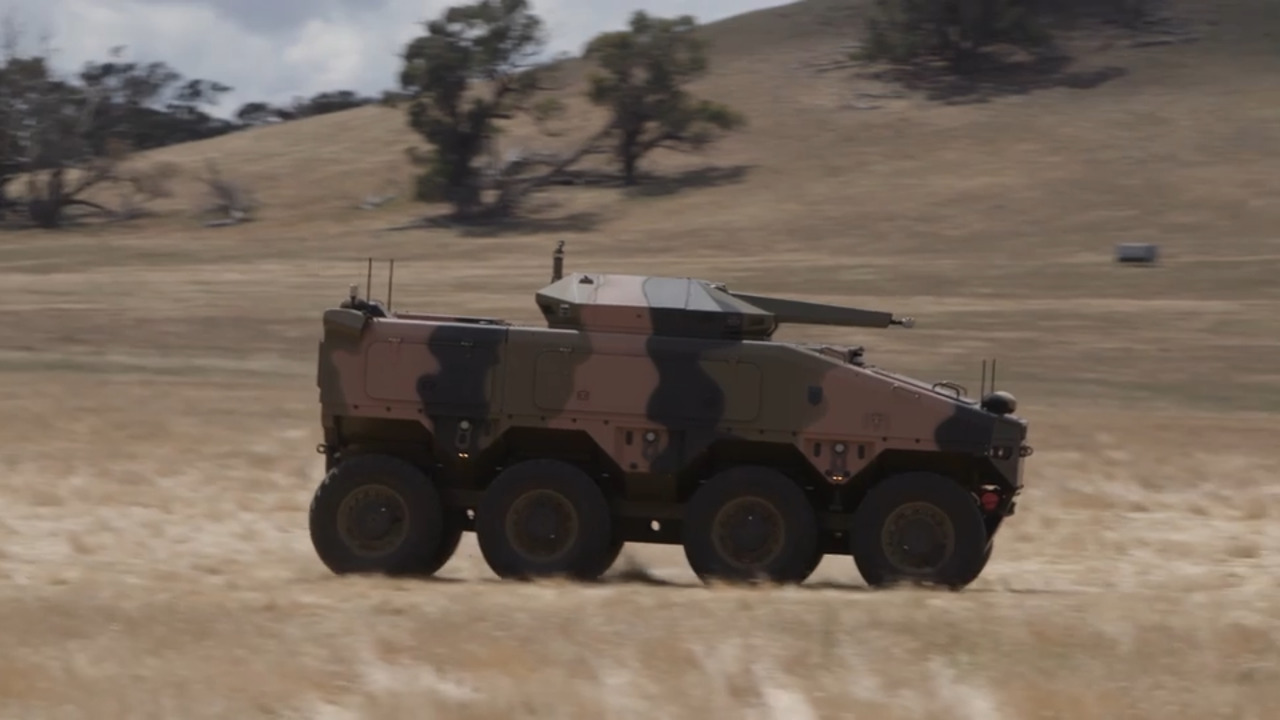
Secondly, having confidence in autonomy means we can design some products to be fully uncrewed, avoiding the need for heavy armour or life-support systems. That makes them cheaper and faster to produce, so we can make more with fewer resources. We believe that complex crewed platforms will always be part of the combat mix, but they can be much more effective by combining them with uncrewed assets. We are seeing this in the thinking of all front-line commands, including in the Future Combat Air System, concepts emerging around Hybrid Navy and the British Army’s Project Nyx procurement, which is currently underway.
Thirdly, if we want to be able to surge production in the event of war, then supply chain management is critical. If we can rapidly call on commercial manufacturing facilities, then we unlock the massive potential of this country’s small and medium sized manufacturing companies. We’re currently trialling blockchain technology as part of our supplier management in the Future Combat Air System, in order to connect our military-specific production facilities digitally with the supply chain.
Industrialising our software factories
One reason Ukraine has been able to respond so effectively is because it is a nation of coders. Much like we’re standardising our approach to physical supply chains, software can benefit in the same way. With modular, open architectures at their core, software factories can integrate new capabilities rapidly and safely, without repeated re-certification – much like Ukraine is doing now. Agentic AI frameworks allow us to draw innovation from SMEs and partners across the defence ecosystem, accelerating the evolution of the behaviours of our uncrewed assets. To allow these approaches to be deployed rapidly, we have architected our systems so that updating the AI ‘brain’ can be separated from the platform’s core safety systems – much as pilot training is distinct from airframe certification – enabling fast iteration and assured operational rules.
Industry as a team
With this growing modular approach to both physical and digital products, it’s becoming easier than ever for both the defence and commercial sectors to work together. Competition will always be a core strength of our system, but we can increasingly work as a team of the best athletes, giving our customers access to the most effective products that help keep us all safe.