Overview
Led by the US, with participation from the UK, Italy, Netherlands, Australia, Canada, Denmark, and Norway, the F-35 Lightning II programme is truly collaborative, aimed at delivering a stealthy, multi-role attack aircraft capable of operating from land and sea to nations across the globe. The programme is delivering three variants of the aircraft, the Conventional Take Off and Landing (CTOL), the Carrier Variant (CV) and the Short Take Off and Vertical Landing (STOVL), to meet customers’ individual needs.
We are teamed with Lockheed Martin to deliver the programme. The roles we play across development, manufacture, integration and sustainment are underpinned by world-class UK manufacturing and industrial know-how developed through decades of cutting edge combat air experience. As a key partner, we hold a 13-15% workshare of each aircraft, excluding propulsion, and we play a major role in the programme across multiple markets.
Pride and passion in delivery
Today, powered by the dedication of our people based across the globe, we continue to innovate in support of our mission to drive quality, efficiency and a relentless pursuit of continual improvement into what we deliver across the world. From Lancashire, UK, to New Hampshire, USA, our people have proudly supported the F-35 programme for more than 20 years.
In 2023, we celebrated the delivery to Lockheed Martin of our 1000th rear fuselage from our facilities in the North West of the UK – a major production milestone on the world’s largest defence programme. As we celebrate this landmark, we have been reflecting on more than two decades as part of the F-35 programme through the eyes of our people.
Design and development
We bring decades of experience in short take-off and vertical landing from our Harrier aircraft which has informed the technology behind the F-35, and are the lead design authority on crucial capabilities including the fuel system, crew escape and life support system.
We conduct durability testing at our unique structural testing facility in East Yorkshire, UK, while our engineering teams work alongside our partners on flight testing and weapons integration work for the UK. In the US, our test pilots and engineers are working to get the aircraft ready to meet the needs of our customers. All in all, we play a leading role in ensuring the F-35 retains its fighting edge.
Production
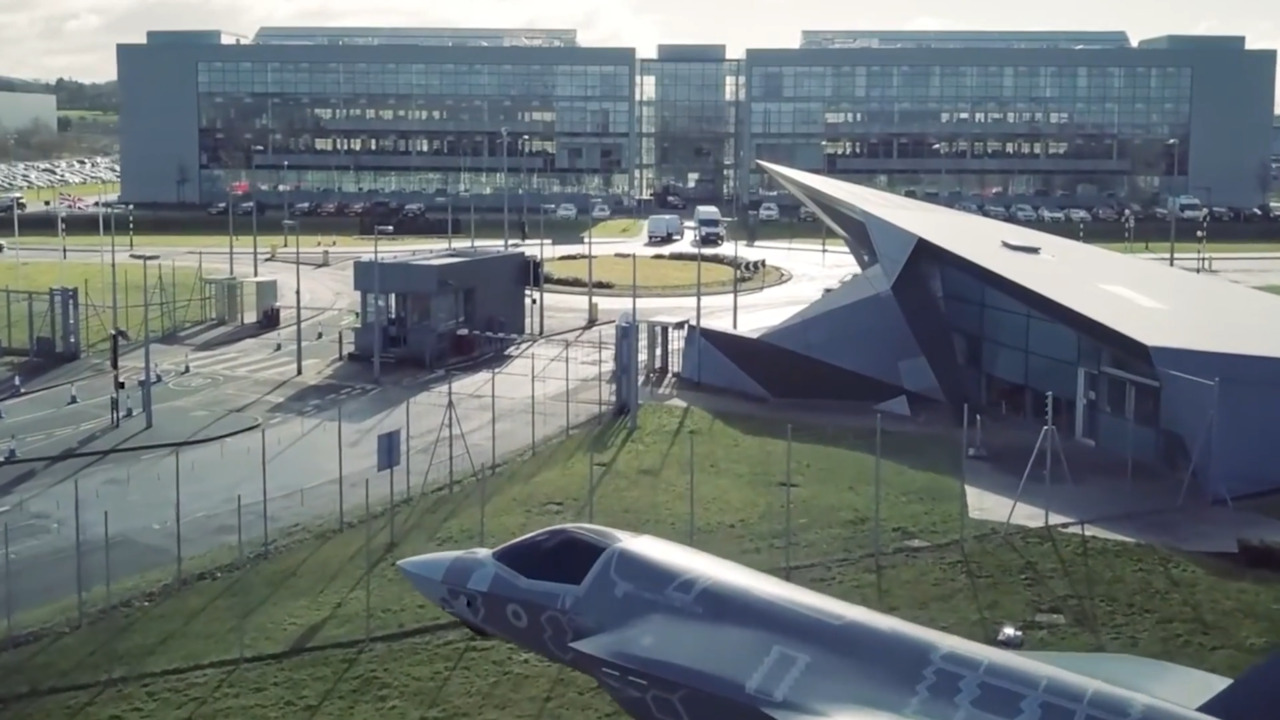
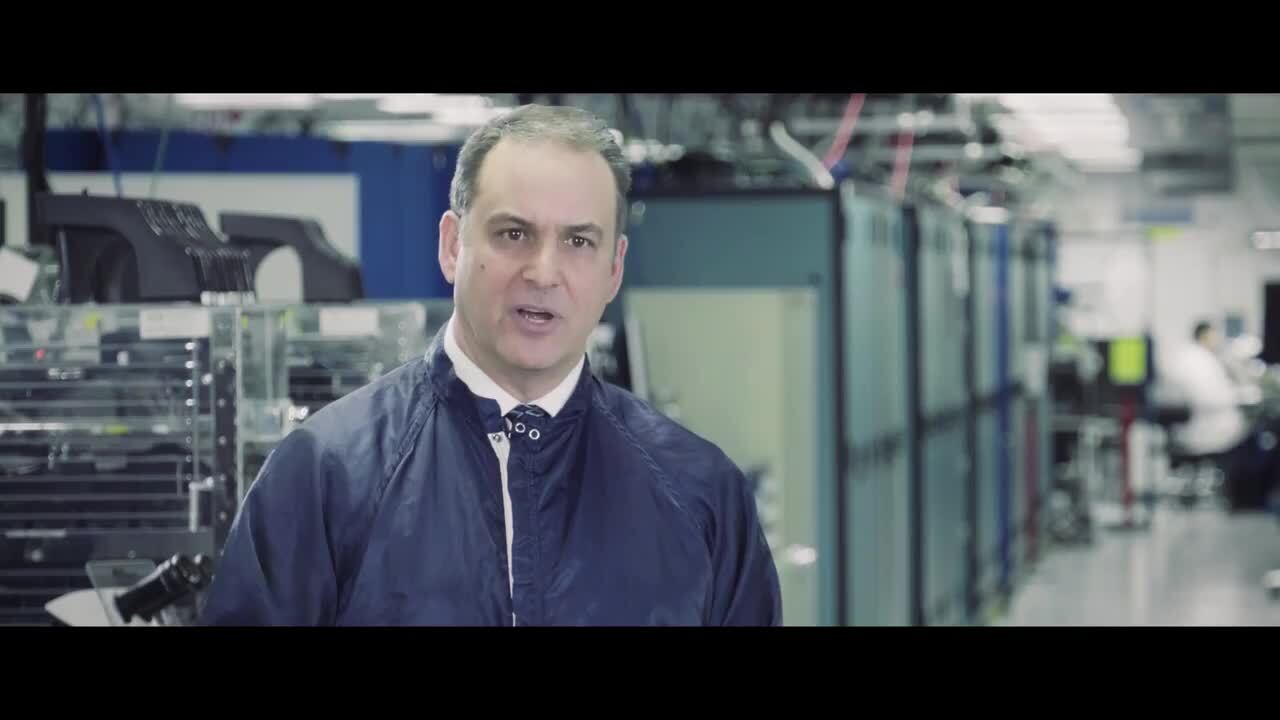
The rear fuselage of every F-35 in the global fleet is built at our state of the art advanced manufacturing and assembly facilities in Lancashire, UK. We manufactured our first rear fuselage in 2005 and in 2023, we marked the delivery of the 1000th component to Lockheed Martin. We also manufacture vertical and horizontal tails for the F-35 in the UK, with some of this work also done by our industrial partners in Canada and Australia. Our facilities use purpose-built robotic technology to manufacture the component parts from both titanium and aluminum.
Electronic systems
Our role in production does not stop at the airframe, we also deliver key systems and electronics onboard the jets. We are world leaders in electronic warfare capability and our engineers in New Hampshire and Texas in the US provide the electronic warfare suite for the F-35, which includes fully integrated radar warning, targeting support, and self-protection, to detect and defeat surface and airborne threats.
The systems provide maximum situational awareness, helping the pilot to identify, monitor, analyse, and respond to potential threats.
Advanced sensing
Our team in Rochester, UK, provides the Active Interceptor Systems which the pilot uses to direct and maneuver the aircraft. Our engineers have also developed high-tech management computers which control the life-cycle costs of the jet, driving affordability for our customers. We even deliver micro-sensors which will warn aircraft inspectors of the risk of corrosion in hard-to-reach parts of the aircraft, reducing the need for costly, time-consuming inspections.
Integration and operations
The air forces operating the F-35 now and in the future need an aircraft which is ready and able to operate alongside the rest of their fighting force. Whether it is the troops, ships or other aircraft of these air forces or their allies, an aircraft which is interoperable is crucial to success.
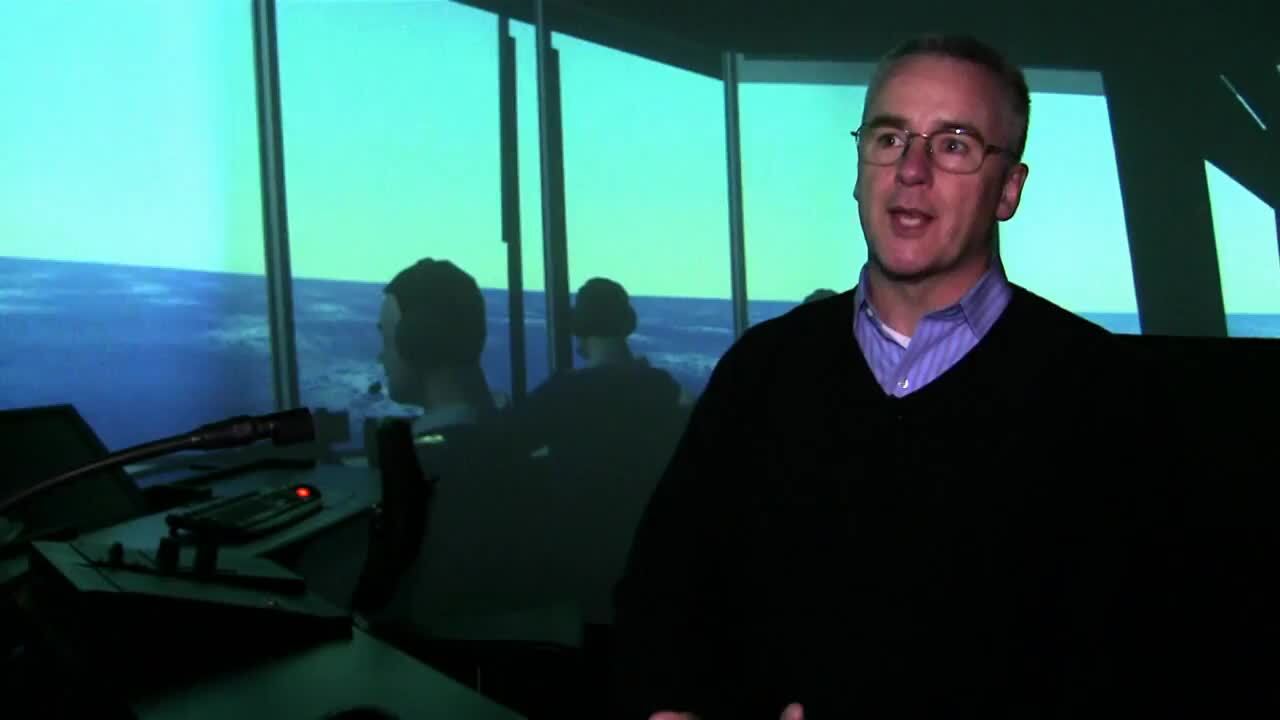
We are working alongside the UK Royal Navy, Royal Air Force, and US Navy using our simulation facilities to ensure our customers’ forces gain experience operating the F-35 during live simulated maritime scenarios, involving the Queen Elizabeth Class carrier. In Australia, we are supporting the development of an architectural model for integrating the F-35 into the Australian Defence Force, ensuring the aircraft achieves maximum operational effectiveness.
Support to the frontline
We have a proven track record of delivering sustainment on world-leading combat aircraft and we play a leading role as part of the global sustainment network, set up to keep the global F-35 fleet flying through spares and repairs, technical support and training.
In the UK, we were instrumental in establishing RAF Marham and we form part of the Lightning Team UK in collaboration with Lockheed Martin, Rolls-Royce, and Pratt & Whitney, delivering maintenance and training services to ensure the UK jets are always ready to respond.
In the US, we are an integral part of the Integrated Test Force team, providing a range of support activities including fleet management, reliability and maintainability analysis, spares and repairs, software development and training.
Our team in Australia is responsible for airframe maintenance, repair, overhaul and upgrade of the F-35 fleet in the Southern Pacific region. Forming an important part of the global sustainment capability for the fleet, our depot in Williamtown, New South Wales, supports F-35 aircraft operating in the region.
Transforming for the future
When it comes to the quality of what we deliver, we always have the future in mind.
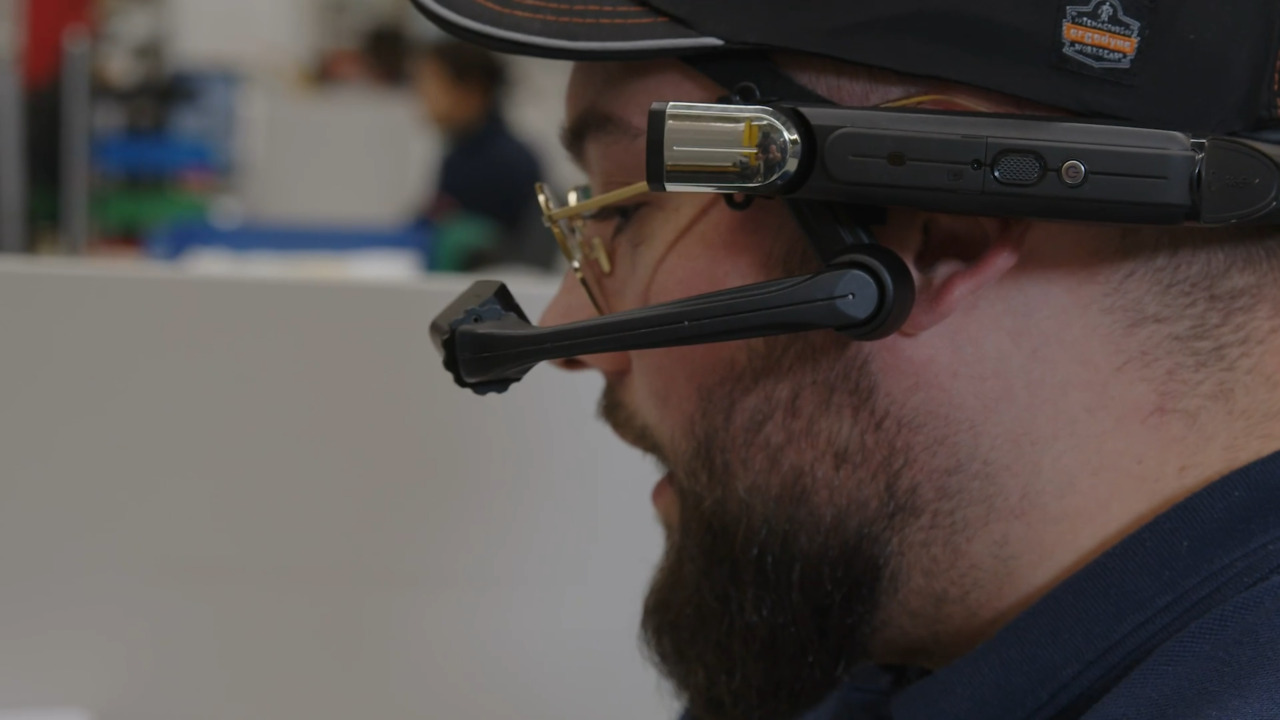
From robotics in the spray shop to the use of augmented reality (AR) enabling people working remotely to problem-solve on the build line, we are continually innovating and investing in technology to drive affordability and efficiency into the way we work.
Through the introduction of digital integration areas which provide 24-hour live data, linking our production facilities to our supply chain and partners across the world, we’re ensuring we can access accurate, real-time information to identify issues early and drive production efficiency.
We recognise the challenges our customers face, and through technology, we’re committed to transforming our approaches to help them meet those challenges faster and more effectively than ever before.