
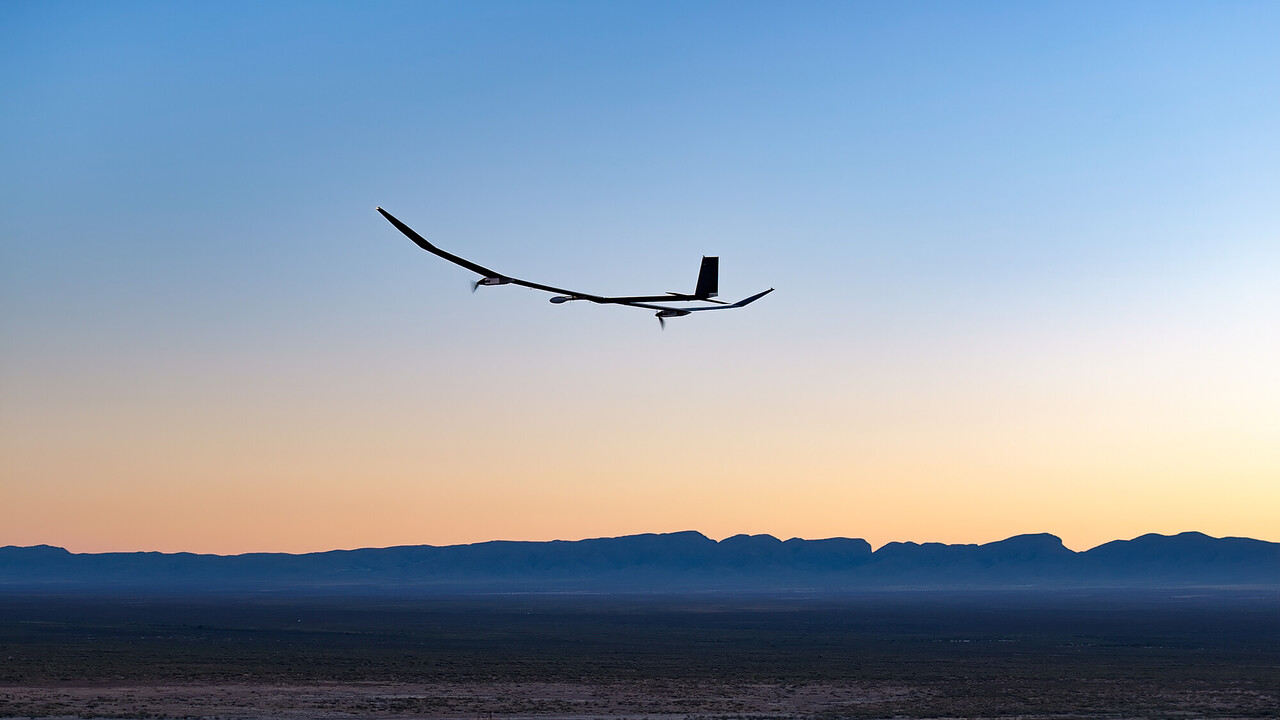
About PHASA-35
Designed by BAE Systems’ subsidiary Prismatic Ltd, PHASA-35® provides an alternative and flexible approach to conventional systems such as satellites or aircraft for the provision of persistent and cost-effective imagery and communications.
Using a range of world-leading technologies including advanced composites, energy management and solar electric cells, photo-voltaic arrays are used to provide energy during the day which is stored in rechargeable cells to maintain flight overnight.
PHASA-35 is designed to provide a persistent, stable platform for monitoring, surveillance, communications and security applications. When connected to other technologies and assets, it will provide both military and commercial customers with capabilities that are not currently available from existing air and space platforms. It also has the potential to be used in the delivery of communications networks including 5G, as well as provide other services, such as disaster relief and border protection, at a fraction of the cost of satellites.
Prismatic's PHASA-35 programme sits within FalconWorks, BAE Systems' new centre for advanced and agile research and development within the Air sector. Without the need to refuel, PHASA-35 is able to operate over an area of interest for several months, pushing the boundaries of aviation technology.
PHASA-35’s flexible payload design allows for a large and varied range of sensor capabilities to be carried and updated as technology advances. This provides an extreme level of persistent coverage over a fixed target area, from intelligence, surveillance and reconnaissance (ISR) and communications payloads unlike any conventional platform.
The 35m wingspan solar-electric aircraft successfully completed its maiden flight in 2020 after being designed, built and flown in less than two years.
Features
Weighing just 150kg (the same as a standard motorbike) and powered by the Sun, PHASA-35 can be operated as a pseudo-satellite, without the need for continual management or monitoring, offering:
- Persistence
- Low operating costs
- Global deployment
- Environmentally friendly solution
- Flexible payload carriage
- Cost-effective maintenance
About Prismatic Ltd.
Prismatic Ltd have been working with uncrewed stratospheric air systems since 2011, with team experience reaching back to the early 2000s. This led to the development of PHASA-35, a solar-powered, high-altitude, long-endurance aircraft (Solar HALE). BAE Systems started working with Prismatic in 2017, forging a relationship which helped accelerate the initial development of PHASA-35, leading to a successful maiden flight of PHASA-35 in early 2020 and the acquisition of Prismatic by BAE Systems in 2021.
Since then, PHASA-35 completed its first successful stratospheric flight in June 2023 and continues to be developed for defence and commercial market applications over the next few years.